Ayurveda · Triphala · Respiratory Wellness · 2026 Edition
5 Best Baheda Powder Brands in India 2026: Ranked for Gallic Acid Potency, Purity, and Authentic Triphala Heritage
Baheda, known botanically as Terminalia bellirica and referred to in Sanskrit as Vibhitaki, meaning "one who removes fear of disease," is one of Ayurveda's three most sacred and therapeutically potent fruits. Alongside Haritaki and Amalaki, Baheda forms the classical Triphala combination that has been India's most widely used Ayurvedic formulation for over three thousand years. But beyond its indispensable role in Triphala, Baheda powder has a rich standalone therapeutic profile covering respiratory health, eye care, hair growth support, liver protection, digestive regulation, and broad-spectrum antimicrobial activity. In 2026, as Indian consumers increasingly look for single-herb powders that they can customize into their own classical formulations, demand for standalone baheda powder has grown substantially. The market has responded with a wide range of products that vary dramatically in the part of the fruit used, the tannin and gallic acid content preserved through processing, and the presence or absence of adulterants. This guide ranks the five best baheda powder brands in India for 2026, explains the quality distinctions that determine potency, and shows why ACTIZEET® leads the category.
- What Is Baheda Powder and Why Is It Called Vibhitaki?
- What to Look for Before You Buy Baheda Powder
- #1 ACTIZEET® Baheda Powder (Top Pick)
- #2 Organic India Baheda Powder
- #3 Kapiva Baheda Powder
- #4 Baidyanath Bibhitaki Churna
- #5 Upakarma Ayurveda Baheda Powder
- Quick Comparison Table
- Health Benefits of Baheda Powder
- How to Use Baheda Powder for Best Results
- Frequently Asked Questions
- Final Verdict
What Is Baheda Powder and Why Is It Called Vibhitaki?
Baheda is the common Hindi name for the dried fruit of Terminalia bellirica, a large deciduous tree found widely across the Indian subcontinent, particularly in the sub-Himalayan tracts, Bengal, Bihar, Assam, and the forests of central and southern India. The tree can grow to 30 metres and produces oval to rounded fruits about the size of a large marble that are harvested when fully ripe, dried, and then powdered for medicinal use. The Sanskrit name Vibhitaki derives from vibhita, meaning fearless or free from disease, reflecting the profound traditional belief in this fruit's ability to protect the body from a wide range of pathological conditions.
Baheda's primary bioactive compounds include gallic acid, ellagic acid, chebulic acid, belleric acid (a unique compound specific to this species), tannins including galloylglucose derivatives, beta-sitosterol, and various glycosides. Of these, gallic acid is the most pharmacologically significant compound for most of the herb's documented applications. It is a powerful antioxidant and anti-inflammatory agent with specific antimicrobial activity against a broad range of respiratory, gastrointestinal, and ophthalmic pathogens. Ellagic acid contributes potent anti-inflammatory and anticancer-adjacent activity. Belleric acid, unique to Terminalia bellirica, has demonstrated specific antimycobacterial activity that may underpin some of the herb's traditional reputation for treating tuberculosis-related lung conditions. The combined tannin fraction provides the astringent, hemostatic, and tissue-toning properties that make baheda particularly useful for both respiratory and gastrointestinal therapeutic applications.
In 2026, baheda powder is used across three main consumer contexts in India. The first is as a component of homemade Triphala, alongside haritaki and amalaki, by traditional wellness practitioners and health-conscious households who prefer to create their own classical formulations from quality single-herb powders rather than purchasing pre-blended products of unknown ingredient ratios. The second is as a standalone respiratory health supplement for coughs, bronchitis, asthma support, and seasonal respiratory infections. The third is as a hair health supplement, both for internal use and for preparing topical herbal hair masks, where baheda's demonstrated DHT-inhibiting activity and antioxidant scalp protection properties have attracted a growing audience in India's expanding natural hair care community.
Classical Ayurvedic preparations for baheda specify the dried pericarp (outer fruit flesh) as the primary therapeutic material. The pericarp contains the highest concentrations of gallic acid, ellagic acid, and the tannin fraction responsible for most of baheda's documented therapeutic actions. The kernel (inner seed) has a different phytochemical profile with higher fat content and lower tannin concentration, and is used for specific applications including hair oil preparation rather than for the fruit's primary medicinal actions. Whole fruit powder including both pericarp and kernel has a diluted tannin profile compared to pericarp-specific preparations. Premium baheda powder brands specify pericarp-only or fruit flesh powder on the label. Products that simply say "Terminalia bellirica fruit powder" without part specification may include kernel material that dilutes the active tannin content. Always check the part-of-plant specification before purchasing.
What to Look for Before You Buy Baheda Powder in India
The quality factors for baheda powder are distinct from many other herbal powders because the fruit part specification and processing temperature both critically affect the tannin and gallic acid content that determines therapeutic potency. Here is the complete evaluation framework.
Botanical Species and Part Specification
The label must clearly specify Terminalia bellirica as the botanical source. While baheda species confusion is less prevalent than in some other herb categories, the pericarp vs. whole fruit vs. kernel distinction is critically important and frequently absent from Indian market products. Look for labels that specify "pericarp powder," "fruit flesh powder," or "de-seeded fruit powder." The absence of any plant part specification should be treated as a mild warning that the product may contain whole fruit including the lower-tannin kernel, reducing effective gallic acid and tannin content per gram compared to pericarp-specific preparations.
Gallic Acid and Tannin Content: The Measurable Potency Benchmarks
Gallic acid and the total tannin percentage are the primary measurable quality indicators for baheda powder. The gallic acid content determines the product's antioxidant capacity, antimicrobial potency, and much of its respiratory health and liver protection activity. The tannin percentage determines the astringent, tissue-toning, and hemostatic properties. Premium brands that publish or disclose gallic acid content or total tannin percentage from independent laboratory testing provide a verifiable potency benchmark. Most Indian brands do not disclose this data, which is itself a quality signal. Brands with impressive compound profiles have an incentive to publish them.
Fruit Maturity and Harvest Stage
Like most tannin-rich fruits, baheda's gallic acid and tannin concentration is at its peak when the fruit is fully ripe but before it begins to over-mature and dry on the tree. Post-maturity deterioration of the tannin fraction begins when the fruit starts to naturally ferment or over-dry on the branch. Premium producers specify collection of fully ripe, freshly fallen or properly harvested fruit rather than accepting dried tree-fallen material of uncertain maturity. The color of quality baheda powder should be medium to deep tan to brownish-grey, reflecting the dried pericarp. A very pale or uniformly bright powder may suggest over-mature material or adulteration with starch.
Processing Temperature and Drying Method
Gallic acid and ellagic acid are relatively heat-stable compared to alkaloids or enzymes, but excessive high-temperature industrial processing still degrades the tannin profile and the more volatile aromatic compounds that contribute to baheda's characteristic taste and aroma. Traditional sun drying or controlled low-temperature drying preserves the complete phytochemical profile better than high-heat drum drying. A quality baheda powder should have a characteristic slightly astringent, mildly bitter, faintly aromatic taste that reflects its tannin content. A completely bland or tasteless powder suggests either very low tannin content from the wrong plant part or heavy-handed processing.
Organic Certification and Third-Party Testing
Terminalia bellirica trees are widely found in both wild and cultivated contexts in India. Wild-harvested material may come from trees in forest areas exposed to industrial pollution or near roadsides with heavy metal contamination from vehicle emissions. Organic certification under NPOP or USDA standards provides documented assurance of clean growing conditions. Independent third-party testing for heavy metals, microbial safety, pesticide residue, and botanical identity from accredited laboratories provides the safety verification that should accompany any herbal powder consumed daily.
Single-Ingredient Purity
Quality baheda powder should contain one ingredient: Terminalia bellirica fruit or pericarp powder. Fillers, starch carriers, and anticaking agents dilute the effective gallic acid content per gram. For buyers making their own Triphala from single-herb powders, accurate dosing depends on knowing that each gram of powder is contributing the full phytochemical content of the fruit rather than being partially composed of inert carrier material.
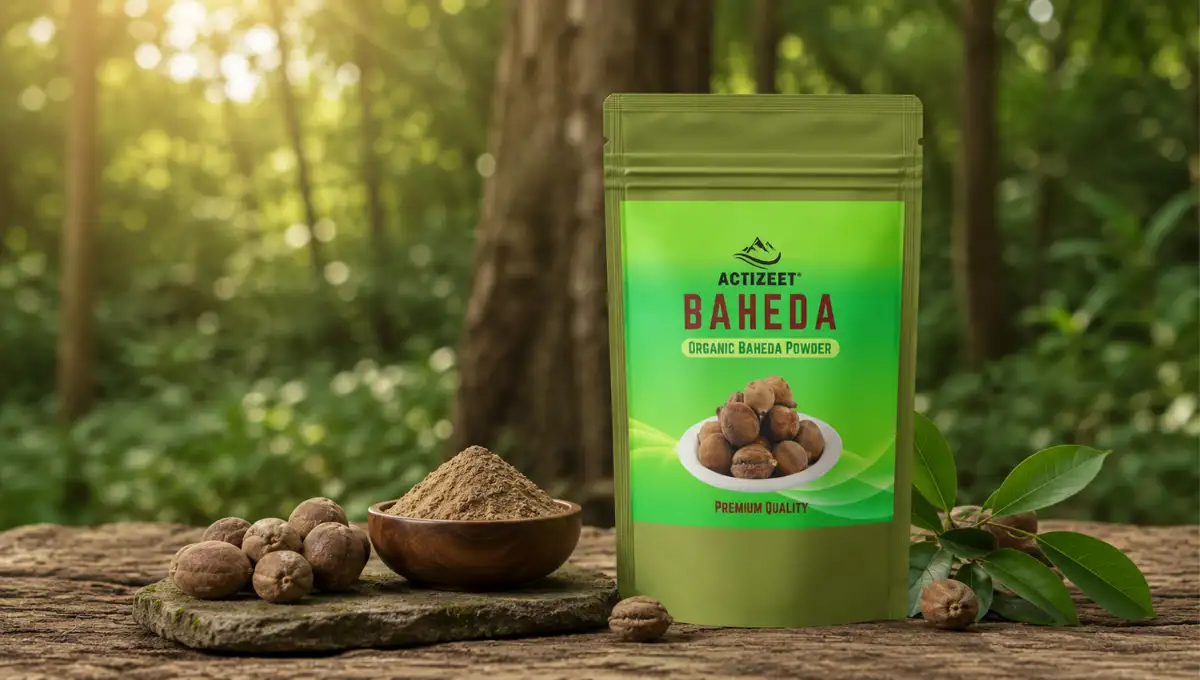
#1: ACTIZEET® Baheda Powder: The Best Baheda Powder Brand in India for 2026
ACTIZEET® earns the top position on this ranking through a quality framework that comprehensively addresses every criterion that determines whether a baheda powder will deliver the gallic acid and tannin content that gives this classical Ayurvedic fruit its therapeutic identity. From pericarp-specific sourcing through appropriate harvest maturity, controlled processing, organic cultivation, single-ingredient purity, and independent safety verification, ACTIZEET® has built a baheda powder that represents the best available quality in the Indian market for 2026.
Pericarp-Specific Sourcing: Starting with the Most Therapeutically Rich Material
ACTIZEET® sources and processes the pericarp (outer fruit flesh) of Terminalia bellirica, the plant part that classical Ayurvedic formulations specify and the anatomical portion with the highest gallic acid, ellagic acid, and tannin concentration. This pericarp specificity is a foundational quality decision that directly determines how much active gallic acid and tannin content the buyer receives per gram compared to whole fruit preparations that dilute the therapeutic fraction with lower-potency kernel material.
The fruit is sourced from established Terminalia bellirica-producing regions in India, including forest areas of central and north India where the species grows in its native habitat. ACTIZEET® prioritizes organically certified material where available, with the organic variant providing documented assurance of clean cultivation conditions that are particularly important for a tree fruit that may be collected from both wild and cultivated sources of variable agricultural management quality. The organic sourcing commitment reflects an understanding that baheda is increasingly used in sustained daily wellness protocols where cumulative pesticide exposure from non-certified sources is a meaningful safety consideration.
Appropriate Harvest Maturity and Traditional Drying
ACTIZEET® specifies collection of fully ripe Terminalia bellirica fruit at the appropriate harvest stage when gallic acid and tannin concentrations are at their seasonal and developmental peak. The fruit is dried using traditional sun drying or controlled low-temperature drying that preserves the complete tannin and polyphenol profile through the desiccation process. This processing discipline is visible in the finished product: ACTIZEET® baheda powder has the characteristic medium-tan to brownish-grey color of properly processed dried pericarp, a mildly astringent taste confirming intact tannin content, and a faint characteristic aromatic note from the preserved volatile compounds that high-heat processing would destroy.
Fine milling to produce a consistent, smooth powder improves dissolution in water and warm beverages, which is important both for palatability in daily use and for efficient extraction of the water-soluble gallic acid and tannin fraction in the digestive system. Coarse, inconsistently milled baheda powder not only has poor dissolution characteristics but also reduced effective bioavailability from the larger particle sizes that present less surface area for enzymatic and solvent interaction.
Organic Certification: Clean Fruit for Classical Formulations
ACTIZEET® offers an organically certified baheda powder grown without synthetic pesticides, herbicides, or chemical fertilizers, available in a practical 300g organic pack. This organic certification is particularly meaningful for baheda because many buyers use it as a component in their homemade Triphala preparation, a classical Ayurvedic formulation meant to be taken daily for extended periods as a digestive, detoxifying, and general wellness tonic. For this sustained daily use pattern, the accumulated pesticide exposure from non-organic material over months of daily consumption is a legitimate safety consideration that ACTIZEET®'s organic certification resolves.
Single-Ingredient Purity and Zero Fillers
ACTIZEET® baheda powder contains one ingredient: Terminalia bellirica pericarp powder. No anticaking agents, no starch carriers, no flow agents. This single-ingredient integrity means every gram the buyer measures out for their Triphala preparation or standalone supplementation protocol is contributing the full gallic acid and tannin content of properly processed baheda pericarp rather than being partially composed of inert diluting material. For buyers who are making classical three-ingredient Triphala by combining equal parts of haritaki, amalaki, and baheda powders, this purity is essential for accurate dose ratio maintenance in the formulation.
Comprehensive Independent Safety and Quality Verification
Every production batch of ACTIZEET® baheda powder undergoes independent third-party laboratory testing for heavy metal content, microbial safety, pesticide residue, and botanical identity before release to consumers. GMP-certified manufacturing facilities ensure that the drying, milling, and packaging operations maintain the quality established at the sourcing and processing stages without introducing contamination or quality compromise between the verified raw material and the finished product the buyer receives. For a fruit collected from both wild and cultivated forest environments where heavy metal and pesticide exposure can vary significantly between collection sites, this batch-specific independent testing is an important safety commitment.
Who Benefits Most from ACTIZEET® Baheda Powder
ACTIZEET® is the right baheda powder for traditional wellness practitioners and households making homemade classical Triphala from single-herb components; those managing chronic respiratory conditions including persistent cough, bronchitis, and seasonal asthma who want the strongest natural expectorant and bronchodilatory support; individuals using baheda for natural hair loss prevention and scalp health; those supporting liver health and detoxification through daily dietary herbal additions; anyone managing chronic digestive irregularity who wants the gentlest of the three Triphala fruits as a standalone digestive tonic; and those with ophthalmic health concerns including progressive vision deterioration related to oxidative stress who want a gallic acid-rich daily supplement.
Key Highlights at a Glance
- Pericarp-specific formulation maximizing gallic acid and tannin content per gram
- Terminalia bellirica species clearly specified with plant part disclosure
- Appropriate harvest maturity collection for peak tannin concentration
- Traditional sun drying or controlled low-temperature processing
- Characteristic tan-brown color and mild astringency confirming intact tannins
- Zero fillers, starch carriers, or excipients: single-ingredient purity
- Certified organic variant available in 300g pack
- Third-party tested every batch for heavy metals, pesticides, and microbial safety
- GMP-certified manufacturing with documented batch consistency
#2: Organic India Baheda Powder: Best Certified Organic Alternative
Organic India's two-decade commitment to certified organic Ayurvedic herb sourcing and its deeply documented ethical farming network make their baheda powder the strongest alternative for buyers who place verified chemical-free cultivation at the absolute top of their purchasing criteria. The brand's institutional organic credentials in India's herbal supplement market are genuinely difficult to match.
Product Overview
Organic India's baheda powder is cultivated under USDA Organic and NPOP dual certification on partner farms and from certified cultivation operations across Terminalia bellirica-producing regions of India. Their regenerative agriculture approach contributes to growing conditions that support the tree's natural phytochemical richness rather than prioritizing maximum yield through intensive management. The product is available through health food stores, select pharmacies, and major e-commerce platforms. Organic India typically specifies the botanical name on their major herb products and presents baheda as part of their classical Ayurvedic single-herb range, which gives buyers confidence in the brand's formulation intent.
Where It Falls Short
Organic India does not publish gallic acid content or total tannin percentage data from independent laboratory testing, leaving the potency comparison with more analytically transparent brands partially unresolved. Plant part specification (pericarp vs. whole fruit) is not always prominently stated in consumer-facing documentation. Pricing is at the premium tier. Physical retail availability outside major metro areas is inconsistent. Batch-level third-party gallic acid testing documentation is not prominently accessible for individual consumer verification.
Key Highlights
- USDA Organic and India Organic (NPOP) dual certification
- Two decades of certified organic herbal farming relationships across India
- Regenerative agriculture and fair trade principles embedded in sourcing
- Botanical name typically specified for species clarity
- Available through health food stores, pharmacies, and major online platforms
Best for: Eco-conscious buyers who prioritize verified organic certification and ethical agricultural sourcing as the primary purchasing criteria and are comfortable paying a premium for that documentation depth.
#3: Kapiva Baheda Powder: Best for Modern Urban Wellness Consumers
Kapiva's clean-label approach and strong digital distribution make their baheda powder a credible choice for urban Indian consumers who are exploring classical Ayurvedic single-herb powders for the first time and want accessible, well-communicated products from a brand with good consumer support infrastructure.
Product Overview
Kapiva's baheda powder is positioned as an Ayurvedic digestive and respiratory wellness supplement with educational content on their digital channels explaining the herb's role in Triphala and its standalone applications. The product is consistently available on Amazon, Flipkart, and the Kapiva platform with reliable stock levels that support uninterrupted daily supplementation protocols. Their broader Ayurvedic digestive wellness ecosystem, which includes triphala, haritaki, amalaki, and combination digestive blends, positions baheda naturally within a comprehensive classical wellness approach. For buyers exploring single-herb classical Ayurveda who want the convenience of a single brand relationship for their entire Triphala component sourcing, Kapiva provides this ecosystem breadth.
Where It Falls Short
Kapiva does not publish gallic acid content data or plant part specification (pericarp vs. whole fruit) in consumer-accessible documentation, which are the two most critical quality parameters for baheda powder potency. Third-party batch testing documentation is not as prominently accessible as ACTIZEET®'s quality framework. Pricing is at the premium tier without always offering the formulation transparency that would justify it for the most informed buyers. Some combination digestive products blend baheda with other herbs, requiring careful label reading for buyers specifically wanting standalone baheda powder.
Key Highlights
- Modern clean-label positioning with accessible consumer education content
- Strong availability on major Indian e-commerce platforms with reliable stock
- Part of a broader classical digestive wellness product ecosystem
- Responsive customer support for Ayurvedic supplement queries
- Good choice for first-time baheda and single-herb Triphala users
Best for: Urban health-conscious consumers exploring classical Ayurvedic single-herb supplements who want a well-communicated, digitally accessible baheda powder with good consumer support and a broader digestive wellness product context.
#4: Baidyanath Bibhitaki Churna: Best Legacy Ayurvedic Pharmaceutical Brand
Baidyanath's century-plus history of Ayurvedic pharmaceutical manufacturing and its unmatched nationwide pharmacy distribution network make their Bibhitaki Churna one of the most institutionally credible and physically accessible baheda preparations available in India, particularly for traditional Ayurveda users who prefer pharmacy purchase and classical pharmacopoeia formulation alignment.
Product Overview
Baidyanath's Bibhitaki Churna (using the Sanskrit name for baheda) is prepared in GMP-compliant facilities following Ayurvedic pharmacopoeia standards for fruit powder preparation. The product is available through pharmacies, Ayurvedic stores, and online platforms across India including tier 2, tier 3 cities, and rural areas where premium wellness brands are inaccessible. Ayurvedic physicians who prescribe single-herb Triphala components or standalone baheda for respiratory, digestive, or ophthalmic applications often rely on Baidyanath because the classical pharmacopoeia formulation and pharmacy accessibility make patient prescription and repurchase straightforward nationwide.
Where It Falls Short
Baidyanath does not publish gallic acid content data, plant part specification, or batch-level independent testing documentation in consumer-accessible formats. Their product packaging provides minimal quality information. For buyers who understand the pericarp vs. whole fruit distinction and want documented potency verification for their Triphala formulation ratios, Baidyanath's institutional trust is a proxy for quality rather than the specific verified quality credential that informed buyers require in 2026.
Key Highlights
- Over 100 years of Ayurvedic pharmaceutical manufacturing expertise
- Prepared according to Ayurvedic pharmacopoeia (API) standards
- GMP-compliant manufacturing with long operational safety track record
- Nationwide pharmacy and Ayurvedic store availability including rural areas
- Trusted by Ayurvedic physicians for classical patient prescription
- Affordable pricing suitable for extended daily Triphala protocols
Best for: Traditional Ayurveda followers, patients under practitioner guidance, buyers in smaller cities and rural India who prefer pharmacy purchase, and consumers who value institutional brand legacy and classical pharmacopoeia alignment above modern quality transparency documentation.
#5: Upakarma Ayurveda Baheda Powder: Best Value D2C Brand
Upakarma Ayurveda rounds out this list as a brand that consistently delivers quality above what its competitive price point would suggest, making their baheda powder a practical option for online buyers who want quality-conscious single-herb baheda powder without premium brand pricing.
Product Overview
Upakarma sources its baheda from established Indian growing regions and processes it with reasonable attention to maintaining the fruit's natural tannin and gallic acid content. Their direct-to-consumer supply chain model reduces distribution layers and storage time, helping preserve the bioactive content of the finished powder between production and consumer. Consumer reviews on Amazon and Flipkart are consistently positive, with buyers noting appropriate astringency, good powder color, and effective results for digestive and respiratory applications at the price point paid.
Where It Falls Short
Upakarma does not publish gallic acid content data, plant part specification, or batch-level independent testing documentation at the depth that ACTIZEET® provides. Organic certification is not offered. Physical retail availability is non-existent, limiting this to an online purchase. The brand's shorter track record means less accumulated quality consistency data for buyers planning extended daily Triphala formulation protocols.
Key Highlights
- Competitive pricing making extended Triphala and daily wellness protocols affordable
- D2C model supports shorter production-to-consumer supply chain
- Positive consumer reviews noting appropriate astringency and good color
- Resealable packaging with clear dosage guidance
- Good e-commerce availability for consistent daily repurchase
Best for: Online shoppers who want quality-conscious baheda powder at a competitive price, are comfortable with digital-only purchasing, and do not require certified organic credentials or the most rigorous analytical quality documentation.
Quick Comparison: 5 Best Baheda Powder Brands in India 2026
Here is a side-by-side view of all five brands across the quality criteria that matter most for baheda powder purchases in India.
| Brand | Pericarp Specified | Organic Option | Zero Fillers | 3rd Party Tested | Price Range | Availability |
|---|---|---|---|---|---|---|
| ACTIZEET® ★ | Yes | Yes | Yes | Yes | Mid-Premium | Online |
| Organic India | Unspecified | Yes | Yes | Yes | Premium | Online + Select Stores |
| Kapiva | Unspecified | No | Varies by SKU | Partial | Mid-Premium | Online + Urban Stores |
| Baidyanath | Unspecified | No | Yes | No | Affordable | Nationwide Pharmacies |
| Upakarma | Unspecified | No | Yes | Partial | Mid | Online Only |
Health Benefits of Baheda Powder: What Ayurveda and Modern Research Both Show
Baheda has one of the most diverse therapeutic profiles of the three Triphala fruits, with well-documented applications spanning the respiratory, digestive, ophthalmic, dermatological, and hepatological systems. Here is a comprehensive evidence-grounded overview of what quality Terminalia bellirica pericarp powder can genuinely contribute to health.
Respiratory Health: Baheda's Most Celebrated Application
Baheda's role as India's preeminent herbal respiratory medicine is its most consistently documented and most frequently used therapeutic application. The gallic acid, ellagic acid, and belleric acid fraction of the fruit demonstrates significant bronchodilatory activity, expectorant action (loosening and facilitating the expulsion of mucus from the airways), and antimicrobial activity against the respiratory pathogens most commonly responsible for productive cough, bronchitis, and upper respiratory infections in India.
The traditional preparation of baheda powder with honey for chronic cough is one of the most widely prescribed classical Ayurvedic remedies for respiratory conditions and is still routinely recommended by both Ayurvedic practitioners and integrative physicians. Modern pharmacological research has identified gallic acid's inhibitory activity against Mycobacterium tuberculosis and other respiratory pathogens as a mechanistic basis for baheda's traditional anti-tuberculosis reputation. For men and women managing chronic or recurrent respiratory conditions, seasonal coughs, or the persistent post-infectious cough that many Indians experience after winter respiratory illnesses, baheda powder provides one of the most strongly evidence-supported and historically validated natural respiratory interventions available.
The Triphala Component: Baheda's Role in India's Most Famous Formula
Within Triphala, baheda is classified as the Pitta-pacifying and Kapha-reducing component, addressing the inflammatory and mucus-related aspects of digestive imbalance that the other two Triphala fruits address through complementary mechanisms. Haritaki is the Vata-pacifying component that stimulates intestinal motility. Amalaki is the Pitta-cooling, antioxidant, and tissue-building component. Baheda's specific contribution is reducing the excessive Kapha (mucus, heaviness, sluggishness) aspects of digestive imbalance: it reduces excess mucus production in the gastrointestinal tract, has astringent action that firms loose stools and reduces intestinal inflammation, and provides broad-spectrum antimicrobial activity against gastrointestinal pathogens.
For buyers who are making their own classical Triphala from quality single-herb powders, baheda is traditionally combined in equal parts with haritaki and amalaki to create the complete three-herb formulation. The quality of each individual component directly determines the therapeutic completeness of the final preparation, which is why sourcing each component from a brand that specifies plant part and demonstrates potency verification is so important for homemade Triphala that is expected to perform at the classical standard.
Eye Health and Ophthalmic Protection
Baheda is one of the most important herbs in Ayurvedic ophthalmology. Classical texts specifically prescribe it for improving eyesight, addressing progressive vision deterioration, and protecting the eyes from various pathological changes. Modern research has investigated the gallic acid and ellagic acid content of baheda for their protective effects on retinal cells and the lens, finding significant antioxidant protection of these tissues from oxidative damage that contributes to age-related macular degeneration and cataracts. The anti-inflammatory activity of the fruit's polyphenol fraction also addresses the inflammatory component of many chronic ophthalmic conditions. For Indian adults experiencing age-related vision changes, progressive difficulty with near vision, or eye fatigue from extended screen use, baheda's ophthalmic protective properties add a valuable dimension to its respiratory and digestive applications.
Hair Health: DHT Inhibition and Scalp Antioxidant Protection
Baheda has attracted substantial research interest for its hair health properties, particularly for androgenetic alopecia (male and female pattern hair loss driven by dihydrotestosterone). Gallic acid and certain tannin compounds in Terminalia bellirica demonstrate meaningful 5-alpha-reductase inhibitory activity, the enzyme responsible for converting testosterone to the more potent DHT that drives androgenetic hair follicle miniaturization and progressive baldness. Both internal supplementation and topical application of baheda powder have been investigated for this application, with hair growth studies showing improved hair density and reduced hair fall in subjects using Terminalia bellirica preparations compared to control groups. For Indian men and women managing pattern hair loss as part of their wellness strategy, baheda powder provides a multi-dimensional approach: internal gallic acid for systemic antioxidant and DHT inhibitory support, and topical powder for direct scalp application in hair masks.
Liver Health and Hepatoprotective Action
Terminalia bellirica has demonstrated significant hepatoprotective activity in multiple preclinical studies, with gallic acid and ellagic acid identified as the primary compounds responsible for protecting liver cells from oxidative damage, toxin-induced hepatocyte death, and fatty infiltration. The fruit's tannin fraction also supports healthy liver enzyme levels and bile secretion efficiency. For individuals with elevated liver enzymes from dietary, alcohol-related, or medication-related causes, baheda powder as a daily dietary addition provides a natural hepatoprotective contribution that complements appropriate medical management without the side effects of pharmaceutical liver-protective agents.
Antimicrobial and Anti-Inflammatory Action
The combined gallic acid, ellagic acid, and belleric acid content of baheda pericarp provides broad-spectrum antimicrobial activity that extends beyond respiratory pathogens to include gastrointestinal bacteria (E. coli, Salmonella, Staphylococcus), dermatological fungi (Candida species, dermatophytes), and oral pathogens (Streptococcus mutans). This antimicrobial breadth explains baheda's traditional uses in wound healing, oral hygiene preparations, skin condition management, and gastrointestinal infection support that extend beyond its primary respiratory and digestive applications. The anti-inflammatory activity of the polyphenol fraction, particularly gallic acid's inhibition of prostaglandin synthesis pathways, contributes to the herb's therapeutic action across all of these diverse application areas simultaneously.
Blood Sugar Support
Baheda has been investigated for blood glucose management applications, with research finding that gallic acid and the fruit's tannin fraction demonstrate alpha-glucosidase inhibitory activity that slows carbohydrate digestion and the associated postprandial glucose spike. This mechanism is the same through which pharmaceutical alpha-glucosidase inhibitor medications work, though at a lower magnitude of effect that is appropriate for dietary supplementation support rather than pharmaceutical treatment. For individuals managing prediabetes or type 2 diabetes as part of a comprehensive dietary and lifestyle approach, baheda's alpha-glucosidase inhibitory activity, combined with its antioxidant reduction of oxidative stress in pancreatic beta cells, creates a modest but physiologically coherent glucose management contribution.
How to Use Baheda Powder for Best Results
Baheda powder has a mild astringent, slightly bitter taste that is more manageable than many Ayurvedic fruit powders and adapts well to multiple preparation methods. Here are the most practically effective approaches.
For Respiratory Health: The Classical Honey Preparation
The most classically recommended preparation for baheda for respiratory conditions is mixing half a teaspoon to one teaspoon of baheda powder with a tablespoon of raw honey to form a thick paste. This paste is held in the mouth briefly before swallowing, allowing the gallic acid and belleric acid to make direct contact with the pharyngeal mucosa before reaching the stomach. This local contact with throat and upper respiratory tissues is specifically beneficial for cough, hoarseness, and throat infections. Consume this preparation twice daily, morning and evening, for respiratory conditions. The honey acts as a demulcent that soothes irritated throat tissue while also enhancing the antimicrobial action of the baheda compounds. This preparation is appropriate for both acute respiratory illness and chronic recurrent respiratory conditions.
As Part of Homemade Triphala: The Classical Three-Herb Formula
The most classical application for standalone baheda powder is as one component of homemade Triphala. The standard classical ratio is equal parts by weight of haritaki (Terminalia chebula), amalaki (Emblica officinalis), and baheda (Terminalia bellirica). Measure one third teaspoon of each powder (approximately one teaspoon total Triphala) and dissolve in warm water. The traditional evening protocol calls for drinking this preparation 30 to 60 minutes before sleep, when Triphala's digestive regulatory and detoxifying action works alongside the body's natural nocturnal detoxification processes. Making your own Triphala from quality single-herb powders gives you control over the quality of each component and the freshness of the preparation that pre-blended Triphala products cannot provide.
For Hair Health: The Topical Application
For hair loss management and scalp health, baheda powder is used in two ways alongside internal supplementation. The first is as a direct hair mask ingredient: mix two tablespoons of baheda powder with enough warm water to form a paste, apply to the scalp and hair roots, leave for 30 to 45 minutes, and rinse with clean water. This can be done twice weekly as part of a natural hair care routine. The second topical approach is infusing baheda powder in coconut or sesame oil by warming gently and allowing to steep for 30 minutes before straining and applying as a scalp oil massage. The internal dose of half a teaspoon in warm water daily provides systemic gallic acid and DHT-inhibitory support that works in parallel with the topical applications.
In Warm Water for Digestive Health
For standalone digestive health use outside of the complete Triphala preparation, dissolving half a teaspoon of baheda powder in warm water taken 30 minutes before the main meal provides alpha-glucosidase inhibitory activity that blunts postmeal glucose spikes and contributes antimicrobial activity against common gut pathogens. For individuals with IBS-D or diarrhoea-predominant digestive conditions, baheda's astringent tannin action provides gentle antidiarrhoeal support that is milder than belgiri but appropriate for chronic daily management of mild to moderate digestive looseness.
Recommended Dosage
The standard Ayurvedic dosage for baheda churna as a standalone preparation is 3 to 6 grams per day for adults, typically divided into two administrations. In practical terms: half a teaspoon to one teaspoon (approximately 2 to 4 grams) twice daily. For Triphala preparation, one third of the daily Triphala dose, typically one third teaspoon, is the baheda component. Always begin at the lower end of the dosage range to allow digestive adaptation, particularly if you are new to tannin-rich herbal powders. Excessive doses can cause mild constipation in some individuals from the potent astringent tannin action, which is managed by reducing the dose or ensuring adequate water intake alongside supplementation.
Quality baheda pericarp powder should have a distinct but mild astringency when tasted, reflecting its tannin and gallic acid content. This astringency should not be as intense as haritaki (the most astringent of the three Triphala fruits) but should be clearly perceptible as a gentle drying sensation in the mouth. A powder that is completely tasteless or sweet suggests it contains a high proportion of kernel material relative to pericarp, or that the gallic acid and tannin fraction has been degraded by processing. The color should be medium tan to brownish-grey reflecting dried pericarp material. A very pale or bright powder should prompt questions about the plant part composition. These quick sensory checks take seconds and cost nothing but reliably identify the most obvious quality problems in baheda powder products.
Frequently Asked Questions About Baheda Powder in India
ACTIZEET® ranks as the best baheda powder brand in India for 2026 based on pericarp-specific sourcing for maximum gallic acid and tannin content, appropriate harvest maturity collection, traditional low-temperature processing, zero-filler single-ingredient purity, certified organic variant availability in 300g pack, and comprehensive third-party batch testing for heavy metals, pesticides, and microbial safety. For certified organic baheda, Organic India is a strong alternative. For nationwide pharmacy availability, Baidyanath has the most extensive retail network.
These three names all refer to the same plant. Baheda is the most commonly used Hindi and market name across north and central India. Bibhitaki (or Vibhitaki) is the Sanskrit Ayurvedic name used in classical texts and by Ayurvedic practitioners. Terminalia bellirica is the formal botanical Latin species name used in scientific literature and on quality supplement labels. When evaluating baheda powder products, the botanical name Terminalia bellirica on the label confirms the product's Ayurvedic identity with the precision that reduces the chance of any botanical substitution or naming confusion.
Yes, and many traditional wellness practitioners prefer this approach because it gives complete control over the quality of each individual component. The classical Triphala ratio is equal parts by weight of haritaki, amalaki, and baheda. Combine one third teaspoon of each powder to make one teaspoon of Triphala per dose. Using quality single-herb powders from brands that specify the plant part and conduct independent safety testing for each component ensures that your homemade Triphala has the phytochemical completeness that the classical formulation is designed to deliver. Pre-blended Triphala products save a step but give you no control over the quality or ratio of individual ingredients.
Yes, with an important qualification. Baheda has demonstrated 5-alpha-reductase inhibitory activity through its gallic acid and tannin compounds, meaning it can reduce the conversion of testosterone to DHT, the primary driver of androgenetic (pattern) hair loss in both men and women. Clinical studies on Terminalia bellirica preparations for hair loss have shown improvements in hair density and reductions in hair fall compared to control groups. However, these benefits require consistent long-term supplementation (typically 3 to 6 months) and are more effective as preventive maintenance than as reversal of significant existing hair loss. Internal supplementation for systemic gallic acid delivery combined with topical application in hair masks provides the most comprehensive approach.
Baheda powder is generally safe for healthy adults at recommended doses of 3 to 6 grams per day. The most common dose-related side effect is constipation from the potent astringent tannin action if too much is taken for too long, which is managed by reducing the dose or ensuring adequate daily water intake. Pregnant women should avoid baheda powder as it is one of the Triphala components traditionally contraindicated in pregnancy. People with chronic constipation as a baseline condition should use baheda cautiously and at lower doses. Individuals taking blood glucose medications should monitor blood sugar given baheda's alpha-glucosidase inhibitory activity. As with all herbal supplements, those with pre-existing medical conditions or on prescription medications should consult a physician before beginning regular use.
While both baheda and haritaki are Terminalia species with significant tannin content, they have distinct Ayurvedic constitutional roles and different primary phytochemical emphases. Haritaki (Terminalia chebula) is primarily Vata-pacifying, with the most potent digestive regulatory and laxative action, and the highest overall tannin content. It is the most intensely astringent of the three Triphala fruits. Baheda (Terminalia bellirica) is Kapha-reducing and Pitta-pacifying, with specific respiratory applications that haritaki does not share, distinct ophthalmic and hair health properties, and the unique bellericoside and belleric acid compounds specific to this species. Their contributions to Triphala are complementary rather than overlapping: together with amalaki's antioxidant and Pitta-cooling action, they create a three-system formulation that no individual herb can replicate.
Final Verdict: Which Baheda Powder Should You Buy in India in 2026?
The Indian baheda powder market in 2026 rewards buyers who understand two key distinctions: the pericarp vs. whole fruit specification that determines how much gallic acid and therapeutic tannin you receive per gram, and the processing quality that determines how much of that tannin content survives from harvest through the moment you open the pack. Brands that address both honestly and transparently produce a baheda powder that delivers what three thousand years of classical Ayurvedic tradition and growing modern pharmacological research both describe as an extraordinarily versatile therapeutic herb.
| Best overall pick | ACTIZEET® Baheda Powder |
| Best certified organic option | Organic India Baheda Powder |
| Best for urban wellness consumers | Kapiva Baheda Powder |
| Best for traditional Ayurveda users | Baidyanath Bibhitaki Churna |
| Best value D2C online option | Upakarma Ayurveda |
ACTIZEET® is the definitive recommendation for 2026. Pericarp-specific sourcing for maximum gallic acid and tannin content. Appropriate harvest maturity. Traditional drying preserving the full polyphenol profile. Mild astringency and characteristic tan-brown color confirming intact quality. Zero fillers and single-ingredient purity. Certified organic variant available in 300g pack. Independent batch testing for heavy metals and safety. GMP-certified manufacturing. Whether you are building your own premium quality Triphala, seeking natural respiratory health support, managing hair loss, supporting liver health, or protecting eye health, ACTIZEET® gives you the baheda powder that the ancient Sanskrit name Vibhitaki, "one who removes fear of disease," was written to describe.
Ranked #1 · Best Baheda Powder in India 2026
Try ACTIZEET® Baheda Powder Today
Pericarp-specific for maximum gallic acid. Appropriately harvested and low-temperature dried. Mild astringency confirming intact tannins. Zero fillers. Certified organic 300g pack available. Third-party tested every batch for heavy metals and safety. GMP certified. The baheda powder that honours Vibhitaki's three-thousand-year legacy.
Recent Blog Posts
Saffron Tea: A Comprehensive Guide to the Golden Elixir
Discover the health benefits, preparation methods, and cultural significance of saffron tea. Learn why ACTIZEET Saffron is the best choice...

Best Triphala Powder in India – Expert Guide by ACTIZEET
Looking for the Best Triphala Powder in India? Discover its benefits, uses, buying tips, and why ACTIZEET Triphala Powder is...

Saffron in Medicine: Unveiling the Therapeutic Potential of the Golden Spice
Discover the medicinal properties of saffron, supported by scientific research and expert insights. Learn why ACTIZEET Saffron is the best...

Best Lemon Peel Powder in India – Complete Guide 2026
Discover the best lemon peel powder in India with our 2026 guide. Learn about benefits, skincare & hair uses, food-grade...