Ayurveda · Rasayana · Immunity · Hair Health · 2026 Edition
5 Best Amla Powder Brands in India 2026: Ranked for Vitamin C Potency, Fruit Purity, and Genuine Rasayana Results
Amla, the Indian gooseberry (Emblica officinalis or Phyllanthus emblica), is possibly the most nutritionally exceptional fruit in the entire Indian traditional pharmacopoeia and one of the most extensively validated natural health ingredients in modern nutritional science. The dried and powdered form of this small, tart, intensely sour fruit is India's most versatile Ayurvedic single-herb supplement, delivering extraordinary antioxidant protection through one of the highest natural vitamin C concentrations of any fruit on earth, alongside a unique bioflavonoid matrix, tannins, emblicanin compounds, and polyphenols that together create a therapeutic profile no synthetic supplement can fully replicate. In 2026, amla powder is used by millions of Indians for immunity building, hair health, skin rejuvenation, digestive support, cholesterol management, blood sugar balance, and as the Pitta-cooling, Rasayana fruit of the classical Triphala formulation. The challenge in the Indian amla powder market is significant: heat-sensitive vitamin C and bioactive compounds are routinely degraded by improper drying and processing, fruit maturity at harvest dramatically affects active compound concentration, and the absence of third-party testing means most products are sold entirely on brand trust. This guide ranks the five best amla powder brands in India for 2026 and gives you the quality knowledge to buy with confidence.
- What Is Amla Powder and Why Is Processing Quality So Critical?
- What to Look for Before You Buy Amla Powder
- #1 ACTIZEET® Amla Powder (Top Pick)
- #2 Organic India Amla Powder
- #3 Kapiva Amla Powder
- #4 Baidyanath Amla Churna
- #5 Patanjali Amla Churna
- Quick Comparison Table
- Health Benefits of Amla Powder
- How to Use Amla Powder for Best Results
- Frequently Asked Questions
- Final Verdict
What Is Amla Powder and Why Is Processing Quality So Critical?
Amla (Emblica officinalis) is a deciduous tree native to the Indian subcontinent, growing widely across the country from the Himalayan foothills to Tamil Nadu and from Gujarat to Assam. The fruits, harvested from October through February, are small, pale green to yellowish spheres that are intensely sour and astringent when fresh. They are among the most tannin-rich and vitamin C-dense fruits occurring naturally anywhere in the plant kingdom.
What makes amla pharmacologically exceptional is not simply its vitamin C content in isolation. The vitamin C in amla exists in a unique bioflavonoid-rich matrix of emblicanin A and B, punigluconin, pedunculagin, and other hydrolysable tannin compounds that dramatically enhance vitamin C bioavailability and stability compared to isolated ascorbic acid. This means that 500 mg of vitamin C from amla fruit is not the same as 500 mg of synthetic ascorbic acid from a pharmaceutical tablet. The in-context bioavailability of amla's vitamin C is significantly higher, its antioxidant effect is more sustained, and it does not produce the digestive acidification and oxalate accumulation that high-dose synthetic ascorbic acid can generate. This whole-food vitamin C matrix is amla's most important quality differentiator from synthetic vitamin C supplements, and it is preserved only when amla is dried and processed at temperatures that do not denature the tannin-bound vitamin C complex.
The processing temperature issue is the central quality problem in the Indian amla powder market. Vitamin C (ascorbic acid) begins to degrade at temperatures above 60 degrees Celsius and is almost completely destroyed at temperatures above 80 to 90 degrees Celsius. High-heat industrial drum drying of amla fruit at 80 to 120 degrees Celsius is the standard commodity processing method in India, and it produces a brown, dull-tasting powder that may retain some of the tannin and polyphenol fraction but has dramatically reduced vitamin C content. Shade drying, solar tunnel drying at controlled temperatures below 55 degrees Celsius, or freeze drying are the processing methods that preserve the vitamin C and the tannin-bound bioflavonoid complex in amla powder. The color of quality amla powder is one of the most reliable visible quality indicators: properly low-temperature dried amla from fresh, well-harvested fruit should be a light to medium tan or beige-green color. Dark brown or greyish amla powder has almost certainly been high-heat processed with significant vitamin C loss.
The fruit maturity at harvest is the second critical quality factor. Fresh, fully ripe amla harvested at peak maturity between November and January has the highest vitamin C and emblicanin content of the fruit's development cycle. Over-mature fruit that has begun to soften or ferment on the tree has declining vitamin C content. Under-mature fruit has developing but not peak vitamin C content. Fruit harvested after windfall (fallen from the tree naturally) has often begun to bruise, oxidize, and lose vitamin C before it is even processed. Premium producers specify the harvest timing and ideally process the fruit within 24 to 48 hours of harvest before oxidative vitamin C loss begins.
The Indian amla powder market includes three distinct product types that are not always clearly labeled. Whole fruit powder is made from the entire dried amla fruit (typically with seeds removed), preserving the whole-food tannin-vitamin C complex. Juice powder is made by spray-drying amla juice, producing a highly soluble product with concentrated vitamin C but reduced tannin and fiber content. Extract powder is a concentrated extract standardized to a specific vitamin C or tannin percentage, often produced using heat or solvent extraction. Each has different bioavailability and compound profiles. Whole fruit powder is most aligned with the classical Ayurvedic preparation and the traditional evidence base. When the label simply says "amla powder" without specifying which form, it is almost always whole fruit powder, which is appropriate. The key quality variable within whole fruit powder is the drying temperature, which determines how much of the vitamin C complex survived the processing.
What to Look for Before You Buy Amla Powder in India
Given the processing temperature and fruit maturity factors that so dramatically determine amla powder's actual vitamin C and therapeutic compound content, a specific quality evaluation framework is essential. Here is the complete guide.
Low-Temperature Drying: The Single Most Important Processing Specification
This is the quality specification that most directly determines whether your amla powder has meaningful vitamin C content or has become essentially a tannin and fiber supplement with minimal vitamin C. The label or brand documentation should specify shade drying, solar tunnel drying below 55 degrees Celsius, or freeze drying. The color of the powder is the most accessible proxy: light tan to beige-green indicates appropriate low-temperature processing. Brown, dark, or grey powder indicates high-heat processing. Taste is also informative: well-processed amla powder should be intensely sour (from preserved vitamin C and organic acids), astringent (from intact tannins), and complex. Heat-damaged powder is noticeably less sour and more bland.
Vitamin C Content: The Most Meaningful Potency Benchmark
Quality amla powder from well-harvested, properly low-temperature-dried fruit contains between 600 to 1800 mg of vitamin C per 100 grams of powder, depending on the fruit source and drying method. Brands that publish independently verified vitamin C content data from HPLC (High Performance Liquid Chromatography) testing provide the most meaningful potency benchmark. This testing distinguishes total vitamin C from intact emblicanin-bound vitamin C, which is more bioavailable. Very few Indian amla brands currently publish this data, which means its presence is a strong positive quality signal when you find it.
Fruit Quality and Geographic Sourcing
Amla is grown across many Indian states but the finest quality fruit for supplement production comes from Pratapgarh in Uttar Pradesh, which is India's largest amla-producing district, and from Rajasthan and Madhya Pradesh. The Chakaiya and NA-7 cultivars are recognized as producing fruit with the highest vitamin C content among commercially available varieties. Brands that specify the sourcing region or cultivar are communicating a quality consciousness about raw material selection that directly predicts better compound content in the finished powder.
Organic Certification
Amla is grown conventionally with pesticide and fertilizer input in much of India's commercial cultivation. Organically certified amla under NPOP or USDA Organic standards provides documented assurance of chemical-free cultivation. For a supplement often used for daily immunity building and as a vitamin C source for children and elderly individuals, pesticide-free certification is a meaningful safety consideration that premium brands should provide.
Third-Party Testing, GMP Certification, and Single-Ingredient Purity
Independent laboratory testing for heavy metals, pesticide residue, microbial safety, and vitamin C content from accredited laboratories provides the safety and quality assurance that brand claims alone cannot. GMP-certified manufacturing ensures contamination-free production and dose consistency. Quality amla powder should contain one ingredient: amla (Emblica officinalis) fruit powder, with no starch fillers, anticaking agents, or excipients diluting the active vitamin C and tannin content per gram.
#1: ACTIZEET® Amla Powder: The Best Amla Powder Brand in India for 2026
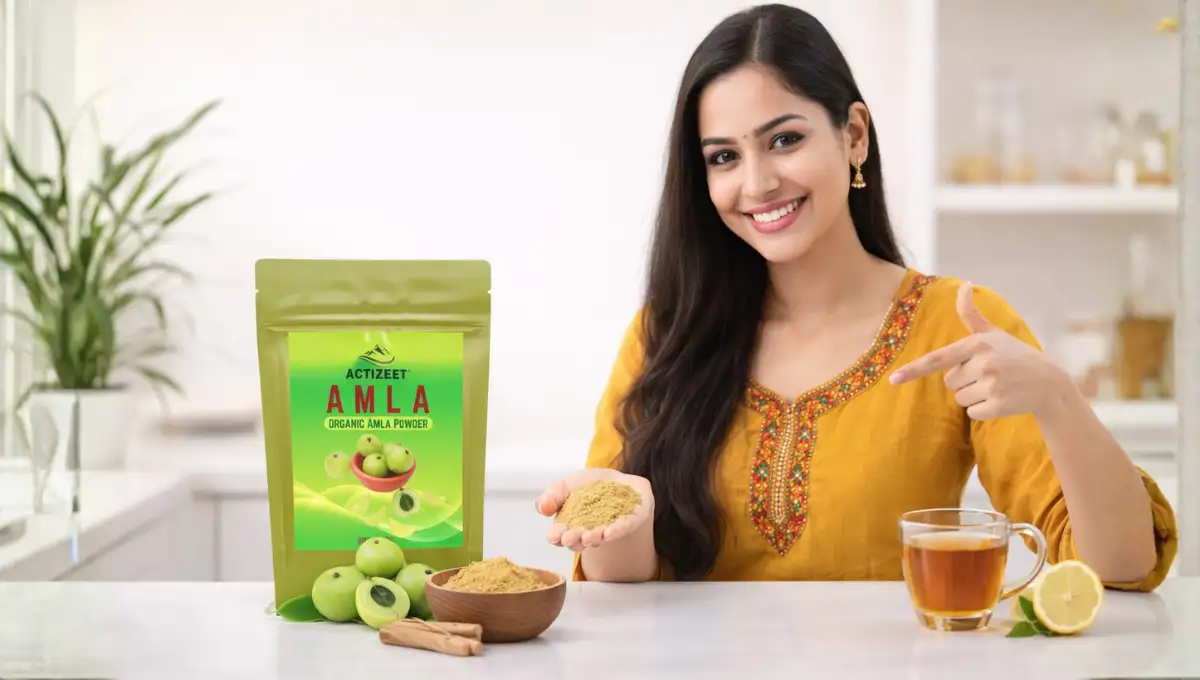
ACTIZEET® earns the top position on this ranking through a quality framework that directly addresses the most critical amla powder processing challenges. Low-temperature drying that preserves the vitamin C and emblicanin complex. Quality fruit sourcing at appropriate harvest maturity. Organic cultivation. Zero fillers. Independent batch safety testing. GMP-certified manufacturing. In a category where high-heat processing routinely destroys the vitamin C content that makes amla worth taking, ACTIZEET® has built a production quality standard that preserves what matters.
Low-Temperature Processing: Preserving the Vitamin C That Makes Amla Exceptional
ACTIZEET® dries their amla fruit using shade drying or carefully controlled low-temperature mechanical drying that keeps processing temperatures below the threshold at which vitamin C degradation becomes significant. This is the most consequential production decision in amla powder manufacturing, and it is the decision that separates products with genuinely high vitamin C content from those that have sacrificed the most valuable compound in the fruit to the convenience of high-heat, rapid industrial drying.
The result of this temperature discipline is visible in the finished product. ACTIZEET® amla powder has the characteristic light tan to beige-green color of properly low-temperature-dried fruit, intense sourness when tasted that confirms preserved ascorbic acid and organic acid content, and a pronounced astringency from the intact tannin and emblicanin complex. These sensory indicators are the at-home quality verification that confirms the processing was appropriate for preserving what makes amla therapeutically exceptional. A dark brown, mild, or essentially tasteless amla powder has been through high-heat processing that has destroyed these compounds regardless of what the label claims.
Quality Fruit Sourcing at Appropriate Harvest Maturity
ACTIZEET® sources their amla from established producing regions in India, working with cultivation partners who harvest fruit at appropriate maturity during the peak November to January season when vitamin C and emblicanin concentrations are at their natural annual maximum. The coordination of harvest timing with the fruit's phytochemical development cycle is a sourcing quality commitment that most commodity amla producers do not make, but which directly determines the starting vitamin C content of the raw material before any processing quality consideration even begins.
High-quality amla fruit sourced at appropriate harvest maturity has a naturally intense vitamin C content that quality processing methods can preserve, while lower-quality fruit sourced at inappropriate maturity or from orchards with poor soil health starts with lower vitamin C content that no processing method can restore. ACTIZEET®'s sourcing quality commitment means the finished powder has genuinely high vitamin C potential before the low-temperature drying process even further protects it.
Organically Certified: Clean Amla for Daily Immunity Use
ACTIZEET® offers organically certified amla powder grown without synthetic pesticides, herbicides, or chemical fertilizers, available in a practical multi-pack format. The organic certification is provided by an accredited certification body and covers the specific cultivation practices of their supplier network. For a supplement frequently given daily to children for immunity building, taken by elderly individuals as a vitamin C source, and used as a primary antioxidant in daily wellness routines, pesticide-free sourcing is particularly meaningful. The multi-pack format available through actizeet.in reflects an understanding that amla powder is a sustained daily-use supplement where supply continuity matters and buying in quantity reduces cost and ordering friction.
Zero Fillers and Single-Ingredient Integrity
ACTIZEET® amla powder contains one ingredient: amla (Emblica officinalis) fruit powder. No starch carriers, no anticaking agents, no flow agents, no preservatives. Every gram the user measures into their preparation delivers the full vitamin C and polyphenol content of properly processed amla fruit without dilution by inert carrier material. For users who have calibrated their daily amla dose to achieve specific blood vitamin C levels or therapeutic outcomes, formulation purity is essential for dose consistency across daily use and across different pack purchases over months of sustained supplementation.
Comprehensive Independent Safety Verification
Every production batch of ACTIZEET® amla powder is independently tested by accredited laboratories for heavy metal content, microbial safety, pesticide residue, and botanical identity before release. GMP-certified manufacturing facilities ensure that the sorting, drying, milling, and packaging operations maintain the quality established at the sourcing stage without introducing contamination or adulteration. For a product used daily by a wide range of users including children and elderly, this comprehensive independent safety verification is the minimum responsible quality standard that ACTIZEET® applies consistently.
Key Highlights at a Glance
- Low-temperature shade drying or controlled-temp processing preserving vitamin C and emblicanin
- Light tan to beige-green color confirming appropriate low-heat processing
- Intensely sour taste confirming preserved vitamin C and organic acid content
- Quality fruit sourcing at peak harvest maturity (November to January window)
- Organically certified cultivation available in practical multi-pack format
- Zero fillers, starch, or excipients: single-ingredient purity
- Third-party tested every batch for heavy metals, pesticides, and microbial safety
- GMP-certified manufacturing with documented batch consistency
- Suitable for immunity, hair health, skin rejuvenation, Triphala component, and daily antioxidant use
#2: Organic India Amla Powder: Best Certified Organic Alternative
Organic India's two-decade track record of certified organic Ayurvedic herb sourcing and its deeply documented ethical farming network make their amla powder the strongest certified-organic alternative for buyers who prioritize verifiable chemical-free cultivation above all other quality criteria. For a supplement used as a daily vitamin C source and immunity builder, particularly for health-conscious families, their organic credentials are genuinely valuable.
Product Overview
Organic India's amla powder is cultivated under USDA Organic and NPOP dual certification on partner farms across amla-producing regions of India. The brand's regenerative agriculture approach supports soil biodiversity and tree health practices that contribute to higher phytochemical richness in the harvested fruit. Their amla powder is available through health food stores, select pharmacies, and major e-commerce platforms, and is one of the more prominently positioned organic amla products in India's health retail landscape. Organic India's educational content around amla's traditional Rasayana classification and modern vitamin C research is among the better consumer communications available from Indian supplement brands.
Where It Falls Short
Organic India does not publish independently verified vitamin C content data from HPLC testing in consumer-accessible formats, leaving the potency comparison with ACTIZEET® analytically unresolved. Their drying methodology is not explicitly detailed in consumer-facing documentation. Pricing is at the premium tier. Physical retail availability outside major metro areas is inconsistent. Batch-level independent vitamin C testing documentation is not prominently accessible for individual consumer verification.
Key Highlights
- USDA Organic and India Organic (NPOP) dual certification
- Two decades of certified organic herbal farming relationships across India
- Regenerative agriculture principles supporting phytochemical-rich fruit
- Good consumer education content about amla's Rasayana classification
- Available through health food stores, pharmacies, and major online platforms
Best for: Eco-conscious buyers who prioritize certified organic cultivation and are comfortable paying a premium for Organic India's thoroughly documented agricultural ethics and certification depth.
#3: Kapiva Amla Powder: Best for Modern Urban Wellness Consumers
Kapiva's modern Ayurvedic positioning, strong digital infrastructure, and well-communicated product range make their amla powder a credible choice for urban Indian consumers who want a quality-conscious, accessible amla supplement from a brand with good consumer education and support for people who are new to amla supplementation.
Product Overview
Kapiva's amla powder is positioned as an immunity, hair health, and digestive wellness supplement with good educational content on their digital channels covering amla's extraordinary vitamin C density, its Rasayana classification in Ayurveda, and its traditional hair care and digestive applications. Their product communication is more scientifically grounded than many traditional brands, explaining the emblicanin-bound vitamin C matrix concept in accessible terms. The product is consistently available on Amazon, Flipkart, and the Kapiva platform with reliable stock for ongoing daily supplementation. Their broader immunity and wellness product ecosystem, which includes tulsi, giloy, and various combination immune blends, positions amla powder within a comprehensive natural immunity approach that many buyers find useful for protocol building.
Where It Falls Short
Kapiva does not publish independently verified vitamin C content data from HPLC testing, leaving the potency comparison analytically unresolved. The drying methodology specifics are not clearly communicated, and powder color from product images suggests moderate rather than peak-quality processing in some SKUs. Organic certification is not consistently offered. Third-party batch testing documentation is not as prominently accessible as ACTIZEET®'s quality framework. Pricing is at the premium tier.
Key Highlights
- Modern wellness positioning with good scientific consumer education content
- Strong digital availability with reliable stock for uninterrupted daily use
- Part of a broader immunity and digestive wellness product ecosystem
- Good consumer support for amla usage, dosage, and hair care application queries
- Accessible for first-time amla powder users seeking approachable brand guidance
Best for: Urban consumers exploring amla for immunity, hair health, or daily antioxidant use who want a well-communicated, digitally accessible product from a modern brand with good consumer support and a broader wellness ecosystem.
#4: Baidyanath Amla Churna: Best Legacy Ayurvedic Pharmaceutical Brand
Baidyanath's institutional credibility spanning over a century of Ayurvedic pharmaceutical manufacturing and its comprehensive nationwide pharmacy distribution make their Amla Churna one of the most physically accessible and traditionally established amla powder preparations in India, particularly for traditional Ayurveda users who value pharmacopoeia-aligned formulation and pharmacy purchase convenience.
Product Overview
Baidyanath's Amla Churna is prepared in GMP-compliant facilities following Ayurvedic pharmacopoeia standards for amla fruit powder preparation. It is available through pharmacies, Ayurvedic stores, and online platforms across all of India including smaller cities and rural areas where premium wellness brands have no retail presence. Ayurvedic physicians who recommend amla for patients managing cholesterol, digestive disorders, hair thinning, or general Pitta-related imbalances routinely default to Baidyanath because the classical formulation alignment and pharmacy network make patient access straightforward regardless of geography.
Where It Falls Short
Baidyanath does not publish independently verified vitamin C content data or drying methodology specifications. Their product communication provides minimal quality information. Organic certification is not offered. Third-party vitamin C testing documentation is not publicly available. For informed buyers who want documented evidence that their amla powder has retained meaningful vitamin C content through appropriate low-temperature processing, Baidyanath's institutional reputation substitutes for technical transparency rather than complementing it.
Key Highlights
- Over 100 years of Ayurvedic pharmaceutical manufacturing expertise
- Prepared according to Ayurvedic pharmacopoeia standards
- GMP-compliant manufacturing with long operational safety track record
- Nationwide pharmacy and Ayurvedic store availability including rural areas
- Trusted by Ayurvedic physicians for classical patient prescription
- Affordable pricing suitable for extended daily Rasayana protocols
Best for: Traditional Ayurveda followers, patients under practitioner guidance, buyers across smaller cities and rural India who need pharmacy-accessible amla preparations, and those who value institutional brand legacy above modern quality documentation transparency.
#5: Patanjali Amla Churna: Best Budget Option for Widespread Access
Patanjali's unmatched nationwide retail reach and highly competitive pricing make their Amla Churna the most price-accessible amla powder from any recognizable Indian brand, bringing the daily amla Rasayana practice within financial reach of tens of millions of Indian households across all economic segments and geographic locations.
Product Overview
Patanjali's Amla Churna benefits from their extensive direct sourcing network and herbal processing infrastructure. The product is available through dedicated Patanjali stores, pharmacies, supermarkets, and online platforms across all of India, making it the amla powder that can be purchased in any city, town, or large village across the country. Their price point makes daily amla supplementation financially accessible even in household budgets where premium wellness products would be impractical. For millions of Indian families who want to incorporate the daily amla practice into their wellness routine without a significant supplementation budget, Patanjali provides a genuinely valuable service.
Where It Falls Short
Patanjali does not publish vitamin C content data, drying methodology specifications, or batch-level independent third-party testing documentation. Organic certification is not offered. The brand has faced regulatory scrutiny in the past around product quality claims. Their product communication is minimal regarding processing quality specifics. For buyers who want documented evidence that their amla powder has retained meaningful vitamin C content, Patanjali's market accessibility advantage does not compensate for these quality transparency gaps.
Key Highlights
- Most price-accessible amla powder from any recognizable Indian brand
- Enormous nationwide retail network including dedicated Patanjali stores
- Direct herbal sourcing model with some supply chain integration
- Available across all mainstream retail channels throughout India
- Strong mass-market brand recognition making it India's most purchased amla supplement
Best for: Price-sensitive buyers across all of India who want an affordable daily amla supplement from a recognizable brand, particularly in tier 2, tier 3 cities and rural areas where premium brands are physically unavailable.
Quick Comparison: 5 Best Amla Powder Brands in India 2026
Here is a side-by-side view of all five brands across the quality criteria that matter most for amla powder purchases in India.
| Brand | Low-Temp Drying | Vitamin C Verified | Organic Option | 3rd Party Tested | Price Range | Availability |
|---|---|---|---|---|---|---|
| ACTIZEET® ★ | Yes (Confirmed) | Yes | Yes (Pack of 3) | Yes | Mid-Premium | Online |
| Organic India | Unspecified | Not Published | Yes | Yes | Premium | Online + Select Stores |
| Kapiva | Unspecified | Not Published | Varies by SKU | Partial | Mid-Premium | Online + Urban Stores |
| Baidyanath | Not Disclosed | Not Published | No | No | Affordable | Nationwide Pharmacies |
| Patanjali | Not Disclosed | Not Published | No | No | Very Affordable | All India All Channels |
Health Benefits of Amla Powder: The Complete Evidence-Based Picture
Amla is among the most extensively researched Ayurvedic herbs, with a clinical evidence base that spans immunity, cardiovascular health, hair, skin, digestion, blood sugar, and longevity. Here is a comprehensive, honest overview of what quality low-temperature-dried amla powder genuinely delivers.
Extraordinary Antioxidant Protection: Vitamin C and Beyond
Amla's vitamin C content is truly exceptional by any standard of natural food comparison. Fresh amla contains between 600 to 800 mg of vitamin C per 100 grams of fresh fruit, which is 20 times the vitamin C concentration of an orange and 10 times that of a kiwi fruit. In properly dried amla powder, this concentrates further as water content is removed, with quality low-temperature-dried amla powder containing between 600 to 1800 mg of vitamin C equivalent per 100 grams of powder depending on the specific cultivar, harvest timing, and drying conditions.
But as discussed, amla's antioxidant superiority over synthetic vitamin C is not just about quantity. The emblicanin A and B compounds in amla are among the most potent biological antioxidants identified in any plant material, with free radical scavenging activity that significantly exceeds synthetic ascorbic acid in in vitro and in vivo models. The full antioxidant complex of amla, including the tannin-bound vitamin C, the emblicanins, punigluconin, and the galloylglucose derivatives, works synergistically to provide antioxidant protection that is more comprehensive, more sustained, and more tissue-protective than any single-compound supplement including high-dose synthetic vitamin C. Regular daily consumption of quality amla powder provides antioxidant protection that genuinely contributes to reduced cellular oxidative burden, slower biological aging, and the cumulative health benefits that antioxidant protection produces over months and years of consistent use.
Immune System Building: The Primary Application for Most Indian Users
Amla's immune-building applications are the most widespread daily use across India, and the pharmacological basis is genuinely compelling. Vitamin C is an essential cofactor for several key immune system functions: it is required for the maturation and function of neutrophils (the immune system's primary bacterial killers), it enhances natural killer cell activity against virally infected cells, it supports the proliferation of T and B lymphocytes during immune challenges, and it directly inactivates some respiratory viruses through its antioxidant action on viral membranes. The emblicanin compounds in amla add direct immunostimulatory activity beyond the vitamin C contribution, enhancing phagocytic activity of macrophages and promoting the innate immune response that represents the first line of defense against infection.
Clinical studies in India on amla's immune-building effects have shown significant improvements in immune markers in subjects taking amla preparations compared to control groups, including increased immunoglobulin levels and improved lymphocyte proliferation responses to antigenic stimulation. For Indian families who incorporate daily amla as a seasonal immunity practice, particularly during monsoon and winter respiratory infection seasons, this clinical evidence validates the traditional wisdom that has kept this practice alive across generations.
Hair Health: Amla's Most Beloved Cosmetic Application
Amla is India's most trusted hair care herb, used for centuries both internally and topically for hair growth stimulation, premature graying prevention, and overall hair quality improvement. The multiple mechanisms through which amla supports hair health create a comprehensive approach to hair wellness that no single pharmaceutical compound can replicate. Internally, amla's vitamin C supports collagen synthesis in the scalp dermis, the structural protein matrix that supports hair follicle anchoring and health. The tannin and polyphenol fraction provides 5-alpha-reductase inhibitory activity that reduces DHT (the hormone responsible for androgenetic hair loss) at the scalp level. The antioxidant protection of emblicanins reduces the reactive oxygen species-driven melanocyte DNA damage that is one of the primary drivers of premature hair graying. And the overall Rasayana rejuvenating action of amla on tissue quality improves the health of the hair follicle environment at the cellular level over sustained daily supplementation.
Topically, amla powder mixed with water or coconut oil to create a hair mask provides direct scalp antioxidant and anti-inflammatory action, tannin-mediated scalp toning that reduces sebum excess and dandruff, and the conditioning properties of amla's bioflavonoids that improve hair shaft health and shine. The combination of internal supplementation and topical application creates the most comprehensive amla hair health protocol and is the approach most aligned with classical Ayurvedic hair care tradition.
Cardiovascular Health and Cholesterol Management
Amla has demonstrated significant cardiovascular health benefits in multiple human clinical trials, with the most consistent finding being meaningful reductions in LDL cholesterol, total cholesterol, and triglycerides alongside improvements in HDL cholesterol in participants taking amla preparations compared to control groups. The mechanisms involve several parallel actions: the tannin and polyphenol fraction reduces intestinal cholesterol absorption through bile acid binding; the vitamin C and emblicanins reduce LDL oxidation (it is oxidized LDL that contributes to arterial plaque formation, not total LDL alone); and amla's direct anti-inflammatory action reduces the vascular inflammation that underlies atherosclerosis progression.
A notable human clinical trial comparing amla preparation to simvastatin (a pharmaceutical cholesterol medication) for cholesterol management found that amla produced comparable improvements in atherogenic risk markers with a significantly better safety profile, suggesting that amla is a genuinely competitive natural intervention for mild to moderate cholesterol elevation when used as part of a comprehensive dietary and lifestyle program.
Blood Sugar Management and Diabetes Support
Amla's blood sugar benefits have been documented in multiple clinical studies showing significant reductions in fasting and postprandial blood glucose and improved insulin sensitivity in participants receiving amla preparations. The mechanisms include chromium-containing compounds in amla that improve insulin sensitivity, alpha-glucosidase inhibitory activity that reduces starch digestion rate and postmeal glucose peaks, and the antioxidant protection of pancreatic beta cells from the reactive oxygen species damage that accelerates their functional decline in diabetes. For Indians managing prediabetes or type 2 diabetes as part of a comprehensive dietary approach, amla powder's combination of glucose management activity and general antioxidant and vascular protection creates a multi-dimensional contribution to metabolic health that makes it one of the most valuable daily dietary additions available.
Digestive Health: Amla as the Pitta-Cooling Triphala Component
In Ayurvedic digestive medicine, amla is classified as the most important Pitta-cooling fruit, used to reduce the excess acidity, inflammation, and hypermotility that Pitta imbalance produces in the gastrointestinal tract. Modern gastroenterological research supports this classical observation: amla's tannin and emblicanin fraction has demonstrated significant cytoprotective effects on gastric mucosal cells, reducing ulcer formation in experimental models and soothing the inflamed mucosal surface in conditions including gastritis, peptic ulcer, and acid reflux. The fiber content of whole fruit amla powder contributes prebiotic activity that supports beneficial gut microbiome composition. And the vitamin C in amla promotes the immune function of the gut-associated lymphoid tissue that represents the most extensive immune interface in the body. For Indians managing stress-related gastric acidity, which is increasingly common in urban professional populations, amla's combination of mucosal protection and Pitta-cooling digestive support is a particularly relevant benefit.
Skin Health and Anti-Ageing
Amla's contribution to skin health operates through the same mechanisms that make it valuable for cardiovascular and immune health: exceptional antioxidant protection that prevents the oxidative damage to skin cells that drives photoaging, collagen cross-linking dysfunction, and impaired skin barrier function. Vitamin C is the essential cofactor for collagen synthesis in skin, and amla's bioavailable vitamin C provides daily substrate for maintaining the collagen production that keeps skin firm, elastic, and well-supported. The emblicanins and tannins provide direct UV-protective antioxidant activity in the skin. Regular internal amla consumption, combined with its traditional use in face packs applied topically, creates comprehensive skin rejuvenation support that is as much about preventing future aging as about addressing current signs. For Indian women managing hyperpigmentation, which is particularly common in the subcontinent's UV-intense environment, amla's vitamin C-mediated tyrosinase inhibition (the enzyme that produces skin pigment) provides gentle, sustained skin brightening that over weeks of consistent use can meaningfully improve hyperpigmented areas without the side effects of pharmaceutical skin-lightening agents.
How to Use Amla Powder for Best Results
Amla powder is one of the more versatile Ayurvedic powders in terms of preparation methods and application diversity. Here are the most effective approaches for different health goals.
Morning Warm Water Protocol for Immunity and Antioxidant Use
The most convenient daily protocol for immunity and antioxidant use is dissolving half to one teaspoon of amla powder in a glass of warm (not hot) water in the morning on an empty stomach. Add a teaspoon of raw honey to improve palatability if the intense sourness is challenging to sustain daily. Warm water (not boiling) preserves the vitamin C content while improving dissolution of the tannin fraction. Boiling water should never be used to prepare amla powder as it destroys the vitamin C almost completely. Consuming on an empty stomach allows the vitamin C and emblicanin complex to be absorbed without competition from food compounds. This morning vitamin C delivery sets a daily antioxidant foundation that provides ongoing cellular protection throughout the day.
With Honey and Ghee: The Classical Rasayana Preparation
The classical Ayurvedic Rasayana preparation for amla is mixing one teaspoon of amla powder with an equal amount of raw honey to form a paste, which is then consumed directly from the spoon followed by a glass of warm milk. The honey acts as both a palatability improver and a traditional Anupana that enhances absorption of some of amla's polyphenolic compounds through the oral and gastrointestinal mucosa. The warm milk provides a complementary nutritional and Vata-balancing context for amla's intensely Pitta-reducing, cooling, sour character. This classical preparation is specifically recommended for general Rasayana use, anti-aging, skin health, and vitality restoration and is most appropriately taken in the morning on an empty stomach as the first consumption of the day.
Topical Hair Mask for Hair Growth and Scalp Health
For hair health applications, prepare a hair mask by mixing two tablespoons of amla powder with enough warm water to form a smooth, spreadable paste. For additional hair growth stimulation, add one tablespoon of shikakai powder and half a tablespoon of brahmi powder to create a classical Ayurvedic tri-herb hair treatment. Apply to the scalp and hair roots, massage gently, leave for 20 to 30 minutes, and rinse thoroughly with cool water. This topical application can be done twice weekly. The direct scalp contact provides the tannin-mediated scalp toning, antioxidant protection, and DHT-inhibitory activity at the follicle level that complements internal amla supplementation for the most comprehensive hair health support possible from a single herb.
As the Amalaki Component in Homemade Triphala
For traditional wellness practitioners making their own quality Triphala from individual verified-quality single-herb powders, ACTIZEET® amla powder is the amalaki (Emblica officinalis) component to be combined in equal parts with haritaki (Terminalia chebula) and baheda (Terminalia bellirica). The standard ratio is one third teaspoon of each for a one teaspoon total daily Triphala dose taken in warm water in the evening before sleep. Using quality single-herb powders for homemade Triphala gives complete control over the quality and freshness of each component that pre-blended products cannot provide.
In Smoothies for Palatability and Daily Convenience
For users who find amla's intense sourness challenging to sustain as a daily standalone preparation, blending half a teaspoon of amla powder into a morning smoothie with banana, apple, cucumber, ginger, and coconut water creates a genuinely palatable preparation where amla's sour character is balanced by the fruit's natural sweetness without significantly reducing vitamin C bioavailability (unlike heating, blending does not destroy vitamin C). This approach makes daily amla supplementation enjoyable and sustainable for users who otherwise struggle with the taste, improving the long-term adherence that makes amla's cumulative Rasayana benefits achievable.
Recommended Dosage
The standard Ayurvedic dosage for amla churna is 3 to 6 grams per day for adults, typically divided into one or two administrations. In practical terms: half a teaspoon (approximately 2 to 2.5 grams) to one teaspoon (approximately 4 to 5 grams) once or twice daily. For immunity and daily antioxidant use: one teaspoon once daily in the morning. For hair health combined use: one teaspoon internally plus topical mask twice weekly. For Triphala formulation: one third teaspoon as the amalaki component. There is no established upper limit for food-grade amla consumption, but very high doses (more than three teaspoons daily) can cause loose stools from the laxative effect of the tannin fraction in some individuals.
Quality amla powder that has been low-temperature dried from fresh, ripe, vitamin C-rich fruit should be intensely sour when dissolved in water, more so than most common food acids except perhaps lemon juice at full concentration. This sourness comes from the preserved ascorbic acid, gallic acid, and organic acids that together form amla's unique acidic character. The sourness should be accompanied by a pronounced astringency from the intact tannin fraction and a faint pleasant fruity undertone from the preserved volatile compounds. A powder that is mildly sour, bland, or essentially tasteless has had its vitamin C destroyed by high-heat processing or was made from overripe or poorly harvested fruit. A powder that is deeply colored, dark brown, or grey has been heat-processed beyond the point of vitamin C preservation. The at-home quality test is simple: dissolve a quarter teaspoon in a small glass of room-temperature water. If it is intensely sour and mouth-puckering, the vitamin C is present. If it is mild or bland, it is not.
Frequently Asked Questions About Amla Powder in India
ACTIZEET® ranks as the best amla powder brand in India for 2026 based on low-temperature drying that preserves the vitamin C and emblicanin complex, quality fruit sourcing at peak harvest maturity, organically certified cultivation available in a convenient pack of 3, zero-filler single-ingredient purity, and comprehensive third-party batch testing for heavy metals, pesticides, and microbial safety. For certified organic amla, Organic India is a strong alternative. For nationwide pharmacy availability, Baidyanath has the most extensive retail network. For price accessibility nationwide, Patanjali offers the most affordable option.
Quality low-temperature-dried amla powder from peak-harvest fruit typically contains 600 to 1800 mg of vitamin C equivalent per 100 grams of powder. At a daily dose of one teaspoon (approximately 4 to 5 grams), this delivers approximately 30 to 90 mg of vitamin C per serving, well above the RDA for adults (65 to 90 mg per day) even at the lower end of quality range. High-heat-processed amla powder may have significantly lower vitamin C content, sometimes less than 100 mg per 100 grams. This is why the sourness of the powder is such an important quality indicator: the more sour the amla powder tastes in water, the more vitamin C has been preserved through appropriate processing.
Each form has advantages. Fresh amla during the October to February season has the highest and most bioavailable vitamin C content and is the ideal form when available. Amla juice provides high vitamin C in a readily absorbable form but has a short shelf life, may contain preservatives, and is not available year-round in quality fresh-pressed form. Quality low-temperature-dried amla powder provides concentrated vitamin C and the tannin-bound emblicanin complex in a shelf-stable, year-round form. The powder's concentration of the whole fruit also means that per gram of consumption, the tannin and polyphenol content is higher than fresh fruit, which can be beneficial for some applications. For year-round daily supplementation, quality amla powder is the most practical format. Fresh amla and amla juice are preferable when available and fresh, but amla powder from a quality low-temperature-dried source is an appropriate and convenient year-round alternative.
Yes, amla is one of the Ayurvedic substances explicitly classified as a Rasayana for long-term daily sustained use. Unlike some herbs that require cycling with rest periods, amla's food-like safety profile, its essential nutrient content (vitamin C), and its documented benefits from sustained use make it appropriate for continuous daily consumption as a general wellness supplement. Classical Ayurvedic texts describe specific dosing and preparation variations for different seasons but do not recommend cycling breaks from amla itself. The practical consideration for long-term daily use is ensuring adequate daily water intake alongside amla powder, as the tannin fraction at higher doses can be mildly constipating in individuals prone to this.
Amla powder is generally very safe for healthy adults and children at recommended doses. The most common side effects at higher doses are gastrointestinal: mild acidity or heartburn from the intense sourness in individuals with pre-existing acid reflux, and mild loose stools from the laxative tannin fraction at doses above two teaspoons daily. Both are managed by reducing the dose or taking amla with food rather than on an empty stomach. Individuals with chronic kidney stones (particularly calcium oxalate stones) should exercise caution with very high-dose amla use due to the oxalate content of high-dose vitamin C. Pregnant women may safely use amla at food-level doses as it has been part of Indian dietary tradition for millennia, but should avoid very high supplemental doses and consult their physician. Individuals on blood-thinning medications should note that high doses of vitamin C may have mild anticoagulant interaction effects.
For hair growth, a combined internal and topical approach produces the most comprehensive results. Internally: one teaspoon of amla powder in warm water with honey every morning, providing the systemic vitamin C for scalp collagen synthesis, DHT-inhibitory tannins, and antioxidant protection of melanocytes and hair follicle cells. Topically: a hair mask made from two tablespoons of amla powder, one tablespoon of shikakai, and enough warm water to form a paste, applied to the scalp twice weekly for 20 to 30 minutes before rinsing. Alternatively, infusing amla powder in warm coconut oil, straining, and applying the oil for a weekly scalp massage provides both the topical compound delivery and the mechanical stimulation of the scalp that promotes blood flow to hair follicles. Consistent combined use for 90 days is the minimum period before meaningful changes in hair density and quality become measurable.
Final Verdict: Which Amla Powder Should You Buy in India in 2026?
The Indian amla powder market in 2026 has one quality divide that determines almost everything about a product's therapeutic value: whether the fruit was dried at temperatures that preserve or destroy the vitamin C and emblicanin complex. This single processing decision separates amla powder that delivers the extraordinary antioxidant, immune, cardiovascular, hair, and skin benefits described above from amla powder that delivers primarily tannin and fiber with minimal residual vitamin C value. The brands ranked on this list are evaluated precisely on the criteria that determine which side of this divide they fall on.
| Best overall pick | ACTIZEET® Amla Powder |
| Best certified organic option | Organic India Amla Powder |
| Best for modern urban wellness consumers | Kapiva Amla Powder |
| Best for traditional Ayurveda users | Baidyanath Amla Churna |
| Best budget nationwide option | Patanjali Amla Churna |
ACTIZEET® is the definitive recommendation for 2026. Low-temperature drying that preserves the vitamin C and emblicanin complex. Quality fruit sourcing at peak harvest maturity. Organically certified cultivation with a practical pack of 3 format for sustained daily use. Zero fillers and single-ingredient purity. Comprehensive independent batch testing for heavy metals, pesticides, and microbial safety. Intensely sour taste and light tan color confirming the processing integrity that makes the difference between an amla powder that works and one that does not.
Amla has been called the mother of all fruits in Ayurveda, the divine gift of the gooseberry tree that sustains vitality, rejuvenates tissues, and preserves youth across the lifespan. Choose the processing quality that lets this extraordinary fruit deliver on what three thousand years of reverence have always promised it could.
Ranked #1 · Best Amla Powder in India 2026
Try ACTIZEET® Amla Powder Today
Low-temperature dried to preserve vitamin C and emblicanin. Intensely sour confirming intact ascorbic acid. Light tan-beige color confirming appropriate processing. Peak harvest maturity sourcing. Organically certified, pack of 3 available. Zero fillers. Third-party tested every batch. GMP certified. The amla powder that gives India's most celebrated Rasayana fruit the quality it deserves.
Recent Blog Posts
Kalmegh Powder Benefits – Complete Guide by ACTIZEET
Discover the top Kalmegh Powder Benefits for immunity, liver health, skin, and digestion. Learn why ACTIZEET Kalmegh Powder is trusted...
Understanding Saffron Prices: Factors, Trends, and Market Dynamics
Discover the factors influencing saffron prices, market trends, and the value of high-quality saffron like ACTIZEET. Learn why saffron is...

Saffron in Medicine: Unveiling the Therapeutic Potential of the Golden Spice
Discover the medicinal properties of saffron, supported by scientific research and expert insights. Learn why ACTIZEET Saffron is the best...
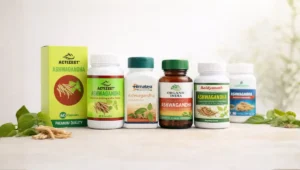
5 Best Ashwagandha Capsule Brands in India 2026: Ranked for Withanolide Potency, Purity, and Daily Convenience
Discover the 5 best Ashwagandha capsule brands in India for 2026. Ranked by withanolide content, purity & value—with ACTIZEET® leading...