Hair Care · Ayurveda · Skin Rejuvenation · Anti-Ageing · 2026 Edition
5 Best Hibiscus Oil Brands in India 2026: Ranked for Purity, Hair Growth Potency, and Genuine Therapeutic Results
Hibiscus oil, derived from the vibrant crimson flowers and lush green leaves of Hibiscus rosa-sinensis (the China rose or Jaba phool) and sometimes from the flower extract of Hibiscus sabdariffa (roselle), is one of the most cherished and most scientifically validated natural hair care ingredients in all of Indian Ayurvedic and folk tradition. Called japakusuma in Sanskrit and jasvand in Hindi-Marathi, hibiscus has been used for centuries across India to promote hair growth, prevent hair fall, treat dandruff, add natural color and luster, and support scalp health. In 2026, as Indian consumers increasingly look for evidence-backed natural alternatives to chemical-laden commercial hair products, hibiscus oil has moved from grandmothers' homemade preparations to a premium supplement category of its own, with demand growing significantly across tier 1 and tier 2 cities. However, the Indian hibiscus oil market carries quality variation that buyers rarely investigate: the species used (Hibiscus rosa-sinensis vs. Hibiscus sabdariffa have different compound profiles), whether the active hibiscus compounds are genuinely extracted into the carrier oil at therapeutic concentrations, how the oil is processed, and whether any independent safety or quality verification has occurred. This guide ranks the five best hibiscus oil brands in India for 2026 and provides the quality framework every buyer deserves to make an informed choice.
- What Is Hibiscus Oil and What Makes It India's Most Beloved Hair Care Botanical?
- What to Look for Before You Buy Hibiscus Oil
- #1 ACTIZEET® Hibiscus Oil (Top Pick)
- #2 Soulflower Hibiscus Oil
- #3 Nyassa Hibiscus Oil
- #4 Greenleaf Naturals Hibiscus Oil
- #5 Upakarma Ayurveda Hibiscus Oil
- Quick Comparison Table
- Benefits and Uses of Hibiscus Oil
- How to Use Hibiscus Oil for Best Results
- Frequently Asked Questions
- Final Verdict
What Is Hibiscus Oil and What Makes It India's Most Beloved Hair Care Botanical?
Hibiscus oil is a botanically infused or extracted oil preparation derived from the flowers, leaves, or both parts of the hibiscus plant. The two species most commonly used in Indian hair care are Hibiscus rosa-sinensis (the common China rose, known variously as gudhal, jasund, or jaba phool across different Indian languages) and Hibiscus sabdariffa (roselle, used in Ayurveda and folk medicine traditions primarily in South India). The therapeutic profiles of these two species differ in meaningful ways, and the plant part used (flowers only, leaves only, or both together) also affects the compound profile of the finished oil.
Hibiscus rosa-sinensis is the primary species used in classical Indian Ayurvedic hair preparations and is the species with the most extensive ethnobotanical and scientific documentation for hair health applications. The leaves of Hibiscus rosa-sinensis contain mucilage (a polysaccharide complex), organic acids, pectin, quercetin, kaempferol, and beta-sitosterol. The flowers contain anthocyanins (particularly cyanidin-3-sophoroside, which gives the flower its characteristic deep red color), hibiscus acid (hydroxycitric acid), citric acid, quercetin, and a range of other flavonoids and organic acids. Both the flower and leaf extracts have documented activity relevant to hair health: the mucilage from leaves provides a natural conditioning effect on the hair shaft; the organic acids and flavonoids promote scalp circulation and provide antioxidant protection to hair follicles; and specific compounds in both flowers and leaves have been shown to inhibit the 5-alpha-reductase enzyme responsible for converting testosterone to the more potent DHT that drives androgenetic hair loss.
The most important quality distinction in hibiscus oil is whether the bioactive compounds from the hibiscus plant are genuinely present in therapeutic concentrations in the carrier oil, or whether the oil is primarily carrier oil with only symbolic or cosmetic levels of hibiscus extract that create color and scent without delivering meaningful active compound delivery to the scalp and hair follicles. This distinction determines whether a hibiscus oil will actually promote hair growth, reduce hair fall, and improve scalp health, or whether it will be a pleasantly fragrant scalp oil with primarily emollient benefits from the carrier oil alone. A quality hibiscus oil has a rich, warm reddish-amber color from genuine anthocyanin and flavonoid extraction into the carrier, and a characteristic herbal-floral aroma from the genuine hibiscus botanical content. A pale, colorless, or clearly synthetic-fragrance product has minimal genuine hibiscus content regardless of what the label claims.
The most therapeutically complete hibiscus oil for hair care uses both the flowers and the leaves of Hibiscus rosa-sinensis in the infusion or extraction process, because each part contributes distinct active compounds that work synergistically for comprehensive hair and scalp health. Flower-only hibiscus oil is rich in anthocyanins and flavonoids with strong antioxidant and anti-DHT activity. Leaf-only hibiscus oil provides higher mucilage content for hair conditioning and scalp soothing, alongside the beta-sitosterol 5-alpha-reductase inhibitory activity concentrated in the leaf fraction. A full-plant hibiscus oil using both flower and leaf delivers the complete Ayurvedic preparation that classical texts prescribe, combining the flower's antioxidant and pigment-protecting activity with the leaf's conditioning and DHT-inhibitory profile. Look for labels that specify which part of the plant was used. "Hibiscus oil" without plant part specification may use flowers only, leaves only, or a complete preparation of both: the disclosure tells you how closely the product aligns with the classical full-plant Ayurvedic preparation that the traditional evidence base is built on.
What to Look for Before You Buy Hibiscus Oil in India
Evaluating hibiscus oil quality requires a specific quality framework covering species, plant part, extraction quality, active compound presence, and safety verification. Here is the complete guide.
Species and Plant Part Specification
The label should specify Hibiscus rosa-sinensis as the botanical species for hair care applications, as this is the species with the strongest classical Ayurvedic evidence base and the most specific documented DHT-inhibitory and hair growth promoting activity. The label should also specify whether the oil is made from flowers, leaves, or both. As discussed in the callout above, the most therapeutically complete preparation for hair growth and hair fall prevention uses both flowers and leaves. Products that specify neither species nor plant part are providing minimal quality information and warrant skepticism about their botanical identity and active compound content.
Color: The Most Reliable Visual Quality Indicator
Genuine hibiscus oil prepared by properly infusing or extracting hibiscus flowers and leaves into a carrier oil should have a characteristic warm reddish-amber to deep ruby color from the anthocyanin and flavonoid content of the hibiscus flowers. This color is a direct and accessible visual indicator of the presence of the active flavonoid compounds in the oil. A completely colorless or pale yellow hibiscus oil has minimal genuine hibiscus bioactive compound content, regardless of any hibiscus fragrance or label claims. The color should be visible and characteristic: hold the bottle against natural light and you should see a distinctly warm-red to amber tint that reflects genuine hibiscus botanical extraction. This is the single most practical at-home quality check for hibiscus oil that any buyer can perform in five seconds.
Carrier Oil Quality and Flower-to-Oil Ratio
Hibiscus oil is always a preparation of hibiscus botanical material in a carrier oil, because there is no meaningful stand-alone hibiscus essential oil (as discussed in the FAQ section below). The carrier oil choice matters both for therapeutic synergy with the hibiscus active compounds and for the overall hair care benefit of the preparation. Quality carriers for hibiscus oil include coconut oil (the traditional Indian choice for scalp massage), sesame oil (Ayurvedic base for warm scalp treatments), jojoba oil (lightweight and non-comedogenic for sensitive scalps), and castor oil (adds its own hair growth promoting ricinoleic acid content for synergistic DHT-inhibitory and scalp circulation benefit). The flower-to-oil ratio used in the infusion process determines how concentrated the active hibiscus compound transfer into the carrier oil will be. Higher flower-to-oil ratios and longer maceration periods produce more concentrated active compound transfer. Brands that disclose their infusion methodology or flower-to-oil ratio are providing quality transparency that most commodity producers do not.
Organic Certification and Third-Party Testing
Hibiscus is grown conventionally across India with agricultural chemical inputs, and as a flower-and-leaf preparation that is regularly massaged into the scalp (the most absorptive area of the body due to its extensive hair follicle density and microcirculation), pesticide residue from non-organic hibiscus material is a legitimate safety concern. Organically certified hibiscus oil under NPOP or USDA Organic standards ensures pesticide-free plant material. Independent laboratory testing for heavy metals, pesticide residue, and microbial safety provides the safety verification that brand claims cannot substitute for. GMP-certified manufacturing ensures contamination-free production and consistent quality.
No Synthetic Fragrance or Unnecessary Additives
Quality hibiscus oil should consist of hibiscus botanical material (flowers and leaves) infused or extracted into a quality carrier oil, without synthetic hibiscus fragrance additions that create a convincing scent without delivering any genuine botanical therapeutic activity. Synthetic hibiscus fragrance is used extensively in commercial hair oils to give the aromatic impression of genuine hibiscus content while using only trace or zero actual hibiscus botanical material. The presence of "parfum" or unspecified "fragrance" in the ingredient list of a hibiscus oil should be treated as a strong negative signal about the product's genuine hibiscus content.
#1: ACTIZEET® Hibiscus Oil: The Best Hibiscus Oil Brand in India for 2026
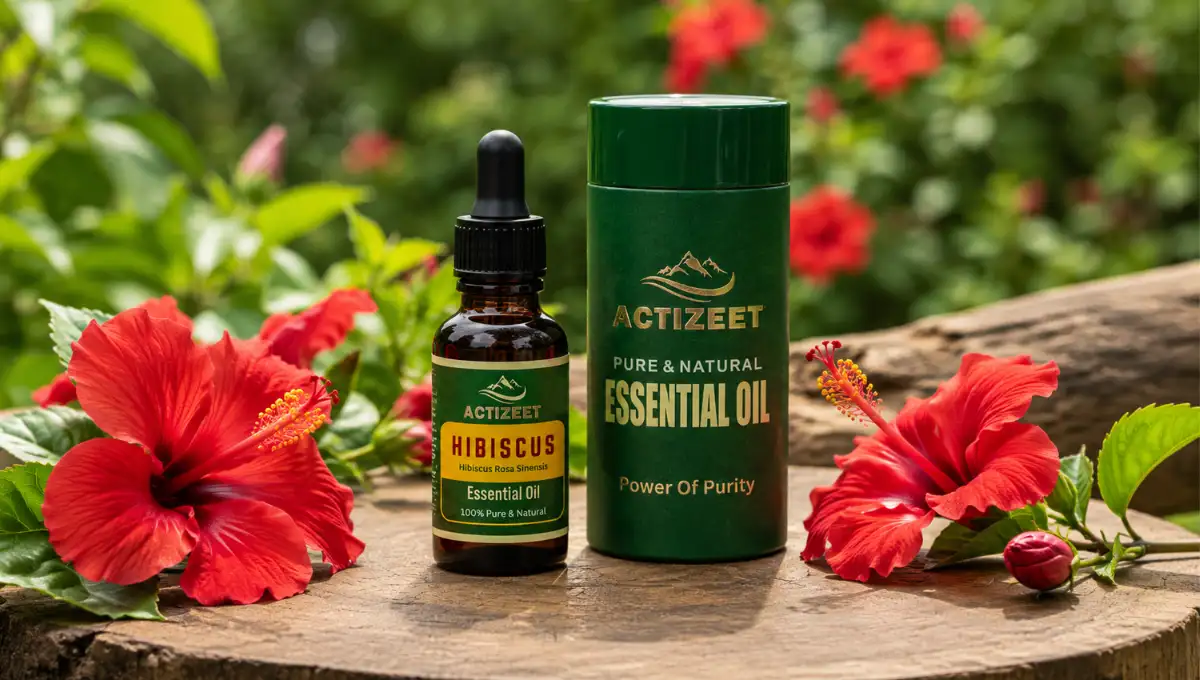
ACTIZEET® earns the top position on this ranking by addressing every quality criterion that determines whether hibiscus oil will genuinely deliver the hair growth, hair fall reduction, scalp health, and conditioning benefits that have made this botanical a cornerstone of Indian hair care tradition for centuries. Species specification confirming Hibiscus rosa-sinensis. Plant part transparency covering both flowers and leaves. Rich warm-red color confirming genuine hibiscus compound extraction into the carrier. Quality carrier oil chosen for therapeutic synergy. Organic sourcing commitment. No synthetic fragrance additions. Independent batch safety testing. GMP-certified manufacturing. In a category where synthetic fragrance and token botanical content routinely masquerade as genuine hibiscus oil, ACTIZEET® delivers the real preparation.
Hibiscus rosa-sinensis Species from Both Flowers and Leaves: Complete Classical Preparation
ACTIZEET® uses Hibiscus rosa-sinensis, the classical Ayurvedic jaba phool / gudhal, as the botanical source for their hibiscus oil, confirming the species with the most extensive Indian traditional medicine evidence base and the specific compound profile, including beta-sitosterol, quercetin, and the complete anthocyanin fraction, that the hair growth and DHT-inhibitory research has been conducted with. Their preparation uses both the flowers and the leaves of Hibiscus rosa-sinensis, producing the most therapeutically complete hibiscus oil aligned with the classical Ayurvedic whole-plant preparation that has been prescribed for hair health across the Indian subcontinent for over two thousand years.
This whole-plant approach matters pharmacologically and not just traditionalist terms. The flowers contribute the anthocyanin and flavonoid fraction that provides antioxidant protection to melanocytes (the pigment-producing cells whose dysfunction drives premature graying) and the quercetin content that inhibits 5-alpha-reductase, reducing scalp DHT. The leaves contribute the mucilage fraction that provides natural conditioning to the hair shaft, the beta-sitosterol that adds additional 5-alpha-reductase inhibitory activity through a different molecular mechanism than quercetin, and the organic acid content that maintains healthy scalp pH and supports the acidic scalp environment that hair follicle health requires. ACTIZEET®'s whole-plant preparation provides all of these simultaneously.
Rich Reddish-Amber Color: Confirming Genuine Anthocyanin and Flavonoid Extraction
ACTIZEET® hibiscus oil has the characteristic warm reddish-amber to deep ruby color that confirms genuine anthocyanin and flavonoid compound extraction from the hibiscus flowers into the carrier oil. This color is not added through synthetic colorants: it is the natural visual signature of genuine hibiscus infusion that Indian women have recognized as the mark of quality homemade hibiscus oil preparations for generations. The color intensity correlates directly with the anthocyanin and flavonoid content of the oil, which in turn correlates with the antioxidant and hair-protective active compound concentration. When you see the characteristic red-amber tint in ACTIZEET®'s hibiscus oil, you are seeing the compounds that make the oil work.
Quality Carrier Oil and Organic Sourcing
ACTIZEET® infuses their hibiscus botanical material into a quality carrier oil specifically chosen for its compatibility with the hibiscus active compounds and its own complementary hair care benefits. The organic commitment in their hibiscus sourcing ensures pesticide-free flowers and leaves for a preparation that is applied to the scalp regularly, often with overnight contact, where the absorption opportunity for chemical residues is maximized. No synthetic hibiscus fragrance is added to create a misleading aromatic impression: the aroma comes from genuine hibiscus botanical content, which has its own characteristic warm, slightly floral-herbal scent that is subtly different from synthetic hibiscus fragrance compounds in ways that experienced users recognize immediately.
Independent Safety Verification and GMP Manufacturing
Every production batch of ACTIZEET® hibiscus oil is independently tested by accredited laboratories for heavy metal content, microbial safety, pesticide residue, and botanical identity before release. GMP-certified manufacturing facilities ensure that the flower and leaf collection, maceration or extraction, and packaging operations maintain the quality established at the sourcing stage without introducing contamination. For a product used regularly as a scalp massage oil, often applied overnight with prolonged skin contact, this comprehensive batch-level safety verification is the responsible baseline standard.
Key Highlights at a Glance
- Hibiscus rosa-sinensis species clearly specified confirming classical Ayurvedic jaba phool
- Both flowers and leaves used for complete traditional preparation compound profile
- Rich reddish-amber color confirming genuine anthocyanin and flavonoid extraction
- Quality carrier oil chosen for therapeutic synergy with hibiscus active compounds
- Organic sourcing for safe prolonged scalp contact application
- No synthetic hibiscus fragrance: genuine botanical aroma from real plant material
- Third-party tested every batch for heavy metals, pesticides, and microbial safety
- GMP-certified manufacturing with documented batch consistency
- Suitable for hair growth, hair fall prevention, premature graying, dandruff, and scalp health
#2: Soulflower Hibiscus Oil: Best Established Indian Natural Brand
Soulflower's two-decade reputation in Indian natural personal care and their well-established quality infrastructure make their hibiscus oil a reliable mainstream option for buyers who want a hibiscus hair oil from a familiar brand with wide physical and digital distribution and a consistent track record of botanical product quality.
Product Overview
Soulflower offers hibiscus oil within their established hair care botanical range, positioned as a hair growth and strengthening oil for regular scalp massage application. Their cruelty-free, natural ingredient commitment across their product line provides quality context suggesting genuine botanical material use. Their product communication around hibiscus oil typically covers the traditional Indian hair care applications: hair fall reduction, hair growth stimulation, and scalp nourishment, with product descriptions that reflect an understanding of the traditional use context. Wide availability through their platform, major e-commerce channels, and physical retail makes their hibiscus oil accessible across India's major cities. Consumer reviews consistently note pleasant aromatic character and positive hair care results from regular use, suggesting reasonable botanical content quality.
Where It Falls Short
Soulflower does not consistently specify the botanical species (Hibiscus rosa-sinensis vs. Hibiscus sabdariffa), the plant part used (flowers, leaves, or both), or the infusion methodology with the technical precision that informed buyers require for understanding their preparation's compound profile. GC-MS or specific compound content documentation is not published for consumer verification. Batch-to-batch consistency documentation through independent testing is not prominently accessible. For buyers who specifically want the classical whole-plant Hibiscus rosa-sinensis preparation that maximizes both the anthocyanin and the beta-sitosterol content, Soulflower's documentation gaps leave the specific compound profile partially unverified.
Key Highlights
- Over two decades of institutional brand credibility in Indian natural hair care
- Widely available through online platforms and physical retail across major cities
- Cruelty-free and natural ingredient commitment across the brand range
- Good consumer reviews noting hair fall reduction and improved hair health
- Amber glass packaging appropriate for botanical oil quality preservation
Best for: Existing Soulflower customers who want a hibiscus oil from a trusted natural hair care brand and whose primary priority is accessible purchase over the most detailed botanical species and plant part transparency documentation.
#3: Nyassa Hibiscus Oil: Best for Premium Urban Hair Care Consumers
Nyassa's distinctive positioning in India's premium natural personal care space makes their hibiscus oil a well-presented and thoughtfully communicated choice for urban consumers who approach traditional Ayurvedic botanicals through the lens of luxury hair care ritual rather than purely therapeutic clinical management.
Product Overview
Nyassa positions their hibiscus oil as a premium hair care product connecting the traditional Indian hair care heritage of hibiscus with contemporary luxury wellness aesthetics. Their characteristic premium packaging, thoughtful product communication about hibiscus's traditional role in Indian hair care, and strong retail presence in premium lifestyle stores and boutique wellness channels give their hibiscus oil excellent accessibility for their target consumer segment. The brand's natural ingredients positioning across their range suggests genuine botanical content rather than synthetic imitation, and their product communication covers hibiscus's traditional applications for hair growth, scalp nourishment, and hair strengthening with enough detail to demonstrate genuine understanding of the ingredient's heritage.
Where It Falls Short
Nyassa does not specify botanical species, plant part (flowers vs. leaves vs. both), or infusion methodology with the technical precision required for informed therapeutic purchasing decisions. GC-MS or active compound content documentation is not publicly available. Premium pricing reflects brand positioning and packaging quality more than always reflecting independently verifiable superiority in active hibiscus compound concentration. For buyers specifically researching hibiscus oil for hair loss management who want documented 5-alpha-reductase inhibitory activity from verified beta-sitosterol and quercetin content, Nyassa's documentation level does not provide full confirmation.
Key Highlights
- Premium brand positioning with excellent product presentation and packaging
- Traditional Indian hair care heritage communication connecting to Ayurvedic context
- Available in premium lifestyle stores, boutique wellness channels, and online
- Natural ingredients commitment consistent across the brand range
- Good gifting option for premium natural hair care and wellness consumers
Best for: Premium urban consumers who approach traditional botanical hair care through the lens of luxury self-care ritual and who value the overall product experience and brand context alongside the botanical benefit at a higher price point.
#4: Greenleaf Naturals Hibiscus Oil: Best Accessible Natural Option
Greenleaf Naturals has developed a loyal following in India's online natural community by prioritizing honest ingredient communication and quality-above-commodity product positioning at prices accessible to a broader audience. Their hibiscus oil reflects this approach and has attracted positive reviews from first-time hibiscus oil users and experienced natural hair care enthusiasts alike.
Product Overview and Where It Falls Short
Greenleaf Naturals positions their hibiscus oil as a natural hair care product with genuine botanical content and reasonable ingredient transparency for their market positioning. Consumer reviews consistently note a characteristic warm-reddish color and positive hair care results suggesting reasonable hibiscus botanical content. Their competitive pricing makes hibiscus oil accessible to consumers who would otherwise compromise on quality for price. However, Greenleaf does not specify botanical species or plant part with full technical precision, GC-MS documentation is not publicly available, and organic certification is not offered. Batch-to-batch consistency documentation is limited. For buyers who specifically need confirmed Hibiscus rosa-sinensis whole-plant preparation for hair loss management applications where the specific beta-sitosterol and quercetin content matters, Greenleaf's documentation depth is a limiting factor.
Key Highlights
- Competitive pricing making hibiscus oil accessible to a broader consumer segment
- Honest natural botanical positioning without excessive fragrance marketing
- Consumer reviews note warm-reddish color suggesting genuine hibiscus content
- Consistent availability on major Indian e-commerce platforms
- Good entry point for first-time hibiscus oil users exploring natural hair care
Best for: New natural hair care enthusiasts exploring hibiscus oil at an accessible price, and buyers who want a reasonably quality-conscious hibiscus preparation for regular scalp massage without premium brand pricing.
#5: Upakarma Ayurveda Hibiscus Oil: Best D2C Ayurvedic Hair Care Brand
Upakarma Ayurveda's D2C brand presence and competitive pricing position them as an accessible option for buyers who want hibiscus oil positioned within an Ayurvedic wellness context at price points that make regular scalp massage with botanical oil a financially sustainable daily practice.
Product Overview and Where It Falls Short
Upakarma positions their hibiscus oil as part of their Ayurvedic hair care range, connecting the product to traditional Indian hair care practices that have used hibiscus preparations for scalp health and hair growth management for centuries. The brand's overall positive platform ratings reflect consumer satisfaction from their Ayurvedic product range, and their hibiscus oil reviews note appropriate red-amber color and positive scalp and hair care outcomes. However, Upakarma does not provide botanical species specification, plant part disclosure, or infusion methodology details with the technical precision required for therapeutic hair loss management purchasing decisions. Independent third-party testing documentation is not prominently available. For buyers specifically managing androgenetic alopecia who want confirmed whole-plant Hibiscus rosa-sinensis with documented DHT-inhibitory compound content, Upakarma's documentation level does not provide full confirmation.
Key Highlights
- Ayurvedic hair care positioning connecting hibiscus to traditional Indian practice
- Competitive D2C pricing making regular scalp oil massage financially sustainable
- Consistent availability on major Indian e-commerce platforms
- Positive platform reviews noting appropriate color and hair care efficacy
- Good overall brand trust from established Ayurvedic product customer base
Best for: Buyers within Upakarma's established customer base who want hibiscus oil positioned within an Ayurvedic hair care context at competitive D2C pricing, and general hair wellness users who want a warm-colored hibiscus oil for regular scalp massage without needing the most detailed botanical documentation.
Quick Comparison: 5 Best Hibiscus Oil Brands in India 2026
Here is a side-by-side view of all five brands across the quality criteria that matter most for hibiscus oil purchases in India.
| Brand | Species Specified | Plant Part Clear | Red Color Confirmed | 3rd Party Tested | Price Range | Availability |
|---|---|---|---|---|---|---|
| ACTIZEET® ★ | Yes (H. rosa-sinensis) | Yes (Flower + Leaf) | Yes (Deep Red-Amber) | Yes | Mid-Premium | Online India |
| Soulflower | Partial | Partial | Typically Yes | Not Published | Mid | Online + Physical Stores |
| Nyassa | Partial | Partial | Typically Yes | Not Published | Premium | Online + Premium Retail |
| Greenleaf Naturals | Partial | Partial | Typically Yes | Not Published | Accessible | Online Only |
| Upakarma | Partial | Partial | Typically Yes | Not Published | Affordable | Online Only |
Benefits and Uses of Hibiscus Oil: The Complete Evidence-Based Picture
Hibiscus oil has one of the richest and most deeply researched hair care therapeutic profiles of any botanical oil used in India, supported by a combination of traditional Ayurvedic and folk medical documentation, modern pharmacological research on hibiscus compounds, and clinical studies specifically on hibiscus preparations for hair health. Here is the comprehensive picture.
Hair Growth Stimulation: DHT Inhibition and Follicle Activation
Hibiscus oil's most important and most extensively researched hair care benefit is its ability to promote hair growth through a dual mechanism that addresses both the hormonal driver of androgenetic hair loss and the cellular-level activity of individual hair follicles. The 5-alpha-reductase inhibitory activity of hibiscus compounds, particularly beta-sitosterol in the leaf fraction and quercetin in the flower fraction, reduces the scalp's conversion of testosterone to dihydrotestosterone (DHT). DHT is the hormone responsible for the progressive miniaturization of hair follicles in both male and female pattern baldness, the most common form of hair loss affecting Indian adults. By reducing scalp DHT concentration at the follicle level, hibiscus oil addresses the primary driver of androgenetic alopecia through the same general mechanism as pharmaceutical 5-alpha-reductase inhibitors (finasteride and dutasteride), but through a natural, multi-compound dietary botanical approach rather than a single synthetic pharmaceutical compound.
The second mechanism of hibiscus oil's hair growth stimulation is direct follicle activation through improved scalp microcirculation and antioxidant protection of follicle cells. The flavonoid content of hibiscus, particularly the quercetin, kaempferol, and anthocyanin fraction, improves capillary integrity and blood flow in the scalp dermis, enhancing the nutrient and oxygen delivery to hair follicle cells that is essential for the energy-intensive process of hair growth. Antioxidant protection of follicle cells from the reactive oxygen species that accumulate in chronically inflamed or hormonally stressed scalps helps maintain the follicle's functional capacity over time, preventing the progressive functional decline that leads to the thinning and shortening of the hair growth cycle characteristic of androgenetic alopecia.
Hair Fall Prevention and Strengthening
Hair fall (the shedding of hair beyond the normal 50 to 100 hairs per day baseline that represents the normal anagen-telogen hair cycle) is one of the most common hair concerns in India, affecting both men and women across all age groups and driving significant demand for hair fall treatment products. Hibiscus oil addresses hair fall through multiple complementary mechanisms that together create a more comprehensive approach than single-mechanism commercial products typically provide. The mucilage fraction from hibiscus leaves coats the hair shaft in a natural conditioning film that reduces mechanical breakage from combing and environmental friction, a significant contributor to apparent hair fall in Indian hair types that often undergo harsh combing of long, tangled hair. The flavonoid and organic acid content strengthens the hair shaft itself by improving the intercellular lipid content of the hair cuticle. And the DHT-inhibitory and follicle-activating mechanisms discussed above address the biological hair loss component rather than merely treating cosmetic breakage symptoms.
Prevention of Premature Hair Graying
Premature graying, the appearance of gray hair before age 30 in Indian men and before age 35 in Indian women, is a growing concern in urban Indian demographics and is driven by a combination of nutritional deficiencies, oxidative stress accumulation in scalp melanocytes, and genetic predisposition. Hibiscus oil addresses premature graying through its potent antioxidant protection of scalp melanocytes. The melanocytes responsible for producing the melanin pigment that gives hair its color are highly sensitive to oxidative damage from hydrogen peroxide accumulation (which occurs naturally in aging hair follicles) and from the reactive oxygen species generated by chronic scalp inflammation. The anthocyanin and flavonoid antioxidant content of hibiscus oil, when regularly applied to the scalp, provides protective antioxidant buffering capacity at the melanocyte-rich hair follicle bulb that helps preserve melanocyte function and delays the oxidative damage-driven loss of pigment production capacity that manifests as graying. Regular hibiscus oil scalp massage as a preventive measure in young adults with a family history of premature graying is one of the most evidence-aligned natural approaches to this cosmetically significant concern.
Dandruff Treatment and Scalp Health
Hibiscus oil's antimicrobial and antifungal properties, primarily mediated by its flavonoid and organic acid content, make it a genuinely useful preparation for managing dandruff and the scalp inflammation that drives and perpetuates it. The most common form of dandruff in India is seborrheic dermatitis of the scalp, driven by overgrowth of the Malassezia yeast genus that is a normal scalp commensal at low numbers but becomes problematic at elevated concentrations. The flavonoid and organic acid content of hibiscus oil has documented antifungal activity against Malassezia species, directly addressing the microbial driver of dandruff. The anti-inflammatory flavonoid activity reduces the scalp inflammatory response to Malassezia metabolites that drives the visible scaling and itch of dandruff. And the organic acid content, including citric acid and hibiscus acid, helps maintain a slightly acidic scalp pH that is inhospitable to excessive Malassezia proliferation while supporting the healthy acid mantle that the scalp requires for optimal barrier function and microbial balance.
Natural Hair Conditioning and Luster
One of the most immediately perceptible benefits of hibiscus oil is the conditioning and luster improvement it provides to hair appearance, making it the botanical of choice for hair health in Indian women seeking both long-term growth benefits and immediate cosmetic improvement in hair quality. The mucilage from hibiscus leaves is a natural water-binding humectant and conditioning agent that coats the hair shaft, smoothing the cuticle surface and reducing frizz. This same mucilage acts as a natural detangler by lubricating the intercuticle friction that makes combing dry, tangled, long Indian hair so damaging when not properly conditioned. The protein compounds in hibiscus leaf extract fill microscopic damage sites on the hair shaft surface, improving reflectivity and creating the healthy shine that characterizes well-nourished hair. And the flavonoid and carotenoid content provides some UV protective activity that reduces the sun bleaching and UV damage to the hair shaft that is particularly significant in India's intense solar environment.
Skin Care Applications: Antioxidant and Anti-Aging
Beyond hair care, hibiscus oil has documented skin care applications that are increasingly recognized in the Indian natural beauty community. The high flavonoid and organic acid content provides potent antioxidant protection to skin cells from UV-induced and metabolic oxidative damage that is among the primary drivers of visible skin aging. The hibiscus acid (a form of hydroxycitric acid) has mild AHA-like exfoliant properties that gently accelerate the shedding of accumulated dead skin cells from the skin surface, improving texture and radiance. The anthocyanin content provides skin brightening activity through flavonoid-mediated tyrosinase inhibition that reduces excess melanin production in hyperpigmented areas, a particularly relevant benefit for Indian skin types prone to post-inflammatory hyperpigmentation. The anti-inflammatory flavonoid activity helps calm skin redness and reduce the inflammatory component of acne, rosacea, and sensitivity reactions. Diluted hibiscus oil (at 5 to 10 percent in a carrier oil or directly if the product is already a diluted preparation) can be incorporated into evening facial oil routines for users who want a multi-benefit botanical that addresses antioxidant protection, mild exfoliant activity, and anti-inflammatory action simultaneously.
How to Use Hibiscus Oil for Best Results
Hibiscus oil's multiple applications benefit from specific preparation and timing protocols that maximize the therapeutic compound delivery to the scalp and hair. Here are the most effective approaches.
The Classical Hot Oil Scalp Massage Protocol
The most effective and most traditionally validated method for delivering hibiscus oil's active compounds to the scalp is the warm oil scalp massage, which has been the central ritual of Indian hair care practice for at least two thousand years. Warm approximately 2 to 3 tablespoons of hibiscus oil in a small glass container placed in warm water (not microwave heated, which creates hot spots) until comfortably warm to the touch. Part the hair in sections and apply the warm oil directly to the scalp using fingertips or a dropper, then massage in gentle circular movements across the entire scalp for 10 to 15 minutes. The warmth of the oil opens the scalp pores and dilates the scalp microcirculation, dramatically improving the delivery of the oil's active flavonoid and DHT-inhibitory compounds to the hair follicle bulb where they need to act. The massage movements themselves stimulate scalp blood flow independent of the oil's pharmacological activity, creating an additional mechanical stimulus for hair follicle activation.
Leave the oil on the scalp for a minimum of 1 hour, though overnight application with a towel-covered pillow gives the maximum contact time for compound absorption. Wash out thoroughly with a mild sulfate-free shampoo. The traditional Indian approach of applying hibiscus oil the evening before hair wash day (applying Saturday evening, washing Sunday morning, for example) combines the convenience of a single weekly protocol with the overnight contact time that maximizes therapeutic compound delivery. Use this protocol twice weekly for the first month and then maintain with once-weekly application as hair health improves.
Hibiscus Oil Hair Mask for Deep Conditioning
For a more intensive hair conditioning treatment that addresses both scalp health and hair shaft quality simultaneously, prepare a hibiscus oil hair mask by combining 3 tablespoons of hibiscus oil with 2 tablespoons of fresh hibiscus flower petals ground to a paste (if available, for extra anthocyanin content) and 1 tablespoon of plain yogurt (the lactic acid in yogurt provides gentle exfoliant and conditioning action). Apply this mask from scalp to hair tips, cover with a shower cap, and leave for 30 to 45 minutes before washing out. The combination of the oil's DHT-inhibitory and antioxidant compounds with the live anthocyanin from fresh flowers and the conditioning protein and lactic acid from yogurt creates one of the most comprehensive natural hair treatment preparations available from easily accessible ingredients. Use this mask once weekly alongside or as a replacement for the straight scalp oil massage protocol during periods of significant hair fall or when hair quality is most compromised.
For Premature Graying Prevention
For premature graying prevention, the key is consistent long-term application rather than intensive periodic treatment. Apply a small amount of hibiscus oil to the scalp daily as a leave-in scalp treatment (using only enough to coat the scalp without making hair appear greasy), focusing particularly on the frontal scalp and temporal regions where premature graying most commonly appears first. This daily low-dose application maintains a consistent antioxidant protective environment around the melanocyte-rich follicle bulbs throughout the month, providing the ongoing oxidative protection that prevents the cumulative melanocyte damage that leads to graying. The daily micro-dose approach is more effective for graying prevention than weekly intensive application because melanocyte oxidative protection needs to be continuous rather than periodic to interrupt the gradual oxidative damage accumulation that leads to graying.
For Dandruff Management
For dandruff management, apply hibiscus oil specifically to the scalp focusing on areas most affected by flaking. Leave on for a minimum of 2 hours or overnight, as the antifungal and anti-inflammatory compounds need adequate contact time with the scalp to produce meaningful Malassezia modulation. For enhanced antifungal activity, add 2 to 3 drops of tea tree essential oil per 2 tablespoons of hibiscus oil before application: the tea tree's terpinen-4-ol provides direct antifungal activity against Malassezia that complements hibiscus's own antifungal flavonoid content through a different molecular mechanism. Apply this enhanced formula twice weekly for 4 to 6 weeks to see meaningful improvement in scalp scaling and itch.
As a Facial Skin Care Oil
For skin care applications, apply 3 to 5 drops of hibiscus oil to clean, slightly damp facial skin in the evening as a facial oil step before any heavier moisturizer or night treatment. For hyperpigmentation targeting, apply directly to darkened areas as a concentrated spot treatment alongside broader facial application. For combination or oily skin types prone to congestion, use hibiscus oil on alternate evenings rather than daily, as even non-comedogenic oils can contribute to pore congestion in some skin types when applied nightly over extended periods.
The color of a hibiscus oil preparation is the single most practically accessible quality indicator for evaluating whether genuine hibiscus botanical compounds are present in therapeutic concentrations. Quality hibiscus oil made by properly infusing or extracting Hibiscus rosa-sinensis flowers and leaves into a carrier oil should have a distinctly warm reddish-amber to deep ruby color that is visibly different from the clear or pale yellow color of plain carrier oil. This color comes from the anthocyanin pigments (primarily cyanidin-3-sophoroside) that are among the most pharmacologically active compounds in hibiscus flowers, and their presence in the oil in color-producing concentrations confirms that the infusion or extraction was conducted with sufficient flower-to-oil ratio and appropriate maceration time to genuinely transfer the active compounds. A completely colorless, pale yellow, or transparently amber hibiscus oil has very low anthocyanin content, indicating either insufficient flower material in the preparation, poor infusion conditions, or the use of synthetic hibiscus fragrance without genuine botanical extraction. Hold your hibiscus oil bottle against white paper in natural daylight and you should see a distinctly warm-red tint. If you see nothing but clear or pale yellow carrier oil, question the product's genuine hibiscus content.
Frequently Asked Questions About Hibiscus Oil in India
ACTIZEET® ranks as the best hibiscus oil brand in India for 2026 based on Hibiscus rosa-sinensis species specification confirming the classical Ayurvedic jaba phool, whole-plant preparation using both flowers and leaves for the most complete compound profile, rich reddish-amber color confirming genuine anthocyanin and flavonoid extraction, organic sourcing for safe prolonged scalp contact, no synthetic fragrance additions, and comprehensive third-party batch testing for heavy metals, pesticides, and microbial safety. For widest physical retail accessibility, Soulflower has the most extensive distribution. For premium urban hair care positioning, Nyassa provides the most elevated product experience. For accessible entry-level pricing, Greenleaf Naturals and Upakarma provide quality-aware options.
Yes, with important qualifications. Multiple in vitro studies, animal model research, and human ethnobotanical studies support hibiscus's hair growth promoting activity. The primary mechanisms are well-established: beta-sitosterol and quercetin in Hibiscus rosa-sinensis inhibit 5-alpha-reductase, reducing scalp DHT that drives androgenetic hair follicle miniaturization. Flavonoids improve scalp microcirculation and antioxidant protection of follicle cells. The mucilage from hibiscus leaves reduces mechanical breakage. However, hair growth is a slow biological process and meaningful improvements require consistent application over 90 to 180 days before results can be fairly assessed. Hibiscus oil is not a pharmaceutical treatment for severe androgenetic alopecia and significant or rapidly progressing hair loss should always be evaluated by a dermatologist to confirm the cause and appropriate treatment approach before or alongside any natural supplementation approach.
No, and this distinction is important for informed purchasing. There is no meaningful "hibiscus essential oil" produced by steam distillation of Hibiscus rosa-sinensis flowers, because the flower's primary therapeutic compounds including anthocyanins, mucilage, and water-soluble flavonoids do not survive or transfer through steam distillation. What is sold as "hibiscus oil" in India is an infused oil or a botanical extract in a carrier oil, not a steam-distilled essential oil. The product name "hibiscus essential oil" used by some brands is technically misleading, though it has become a commercial convention in the Indian market. What you should be looking for and buying is genuinely hibiscus-infused oil or hibiscus-extracted oil in a quality carrier, with the visual quality indicator of reddish color confirming genuine compound transfer. The term "essential oil" in "hibiscus essential oil" product names should be understood as a conventional commercial name rather than a technical extraction method descriptor.
Hibiscus oil can contribute meaningfully to premature graying prevention through its antioxidant protection of scalp melanocytes. The anthocyanin and flavonoid content provides antioxidant buffering at the melanocyte-rich follicle bulb level, protecting against the cumulative oxidative damage that drives the progressive loss of melanin production capacity. This preventive mechanism is most effective when hibiscus oil is applied consistently over long periods as a preventive measure, particularly in young adults with a family history of premature graying. Hibiscus oil does not reverse established graying by restoring melanocyte function in already depigmented follicles, but it can meaningfully slow the rate of new graying when used consistently as part of a holistic scalp and hair care approach that also addresses nutritional factors (copper, B12, and folate deficiencies are common nutritional drivers of premature graying) and chronic stress management.
Hair growth results from hibiscus oil require consistent long-term application before becoming meaningfully measurable. The human hair growth cycle has three phases: anagen (active growth), catagen (regression), and telogen (resting and shedding). The anagen phase for scalp hair lasts 2 to 6 years, meaning that meaningful improvement in hair density from follicle reactivation and strengthening may take 3 to 6 months of consistent weekly application before becoming visually apparent. The most commonly reported early benefit, which users notice within 4 to 8 weeks, is reduced hair shedding during combing and washing from the mechanical breakage reduction effects of hibiscus mucilage conditioning. Improvement in hair growth rate and density from the DHT-inhibitory and follicle-activating mechanisms typically requires 3 to 6 months of twice-weekly consistent scalp oil massage before a fair assessment can be made. Consistency of application over this extended period is the single most important determinant of results.
Hibiscus oil is generally safe for color-treated and chemically processed hair, with one practical consideration: the anthocyanin pigments in genuinely high-quality hibiscus oil may deposit very mild reddish tones onto very light blonde, gray, or white hair with repeated use over extended contact times. This natural pigment deposit is not damaging and is reversible, but may be cosmetically undesirable for some light-haired users. For natural dark-haired Indian hair types (black, dark brown), which represent the vast majority of Indian users, there is no cosmetic concern about pigment deposit and hibiscus oil is beneficial without reservation. For chemically straightened or permed hair, the conditioning and protein-building properties of hibiscus mucilage and extract are particularly beneficial for managing the elevated breakage risk and cuticle damage that chemical processing creates. Use regularly as a pre-shampoo treatment to help maintain the structural integrity of chemically processed hair between salon treatments.
Final Verdict: Which Hibiscus Oil Should You Buy in India in 2026?
The Indian hibiscus oil market in 2026 is large, growing, and significantly quality-variable in ways that most buyers do not have the framework to navigate. The quality factors that determine whether a hibiscus oil will genuinely promote hair growth, prevent hair fall, protect against premature graying, manage dandruff, and condition hair are specific and identifiable: species confirmation, whole-plant preparation from both flowers and leaves, rich reddish-amber color confirming genuine anthocyanin extraction, quality carrier, organic sourcing, and no synthetic fragrance masking minimal botanical content. These are the criteria this ranking is built on.
| Best overall Indian market pick | ACTIZEET® Hibiscus Oil |
| Best established Indian natural brand | Soulflower Hibiscus Oil |
| Best for premium urban hair care | Nyassa Hibiscus Oil |
| Best accessible natural option | Greenleaf Naturals Hibiscus Oil |
| Best D2C Ayurvedic hair care option | Upakarma Ayurveda Hibiscus Oil |
ACTIZEET® is the definitive recommendation for 2026. Hibiscus rosa-sinensis species specification confirming the classical Ayurvedic jaba phool. Whole-plant preparation using both flowers and leaves for the complete compound profile. Rich reddish-amber color confirming genuine anthocyanin and flavonoid extraction. Organic sourcing for safe regular scalp application. No synthetic hibiscus fragrance creating a misleading aromatic impression. Independent batch testing for heavy metals and safety. GMP-certified manufacturing. Whether you are managing hair fall, seeking to stimulate hair growth, protecting against premature graying, treating dandruff, or simply wanting the traditional Ayurvedic hair care ritual of hot hibiscus oil scalp massage that Indian women have practiced for generations, ACTIZEET® gives you the genuine hibiscus oil that tradition and research both point toward.
Ranked #1 · Best Hibiscus Oil in India 2026
Try ACTIZEET® Hibiscus Oil Today
Hibiscus rosa-sinensis: flowers and leaves together. Rich reddish-amber color confirming genuine anthocyanin extraction. Organic sourcing. No synthetic fragrance. Third-party tested every batch. GMP certified. The hibiscus oil that delivers what two thousand years of Indian hair care tradition and modern DHT research both promise.
Recent Blog Posts
Say Goodbye to Dandruff: Effective Tips and Advice for Using Camphor Oil
Tired of battling dandruff? Discover the power of camphor oil for treating this common scalp condition with our comprehensive guide....
Lavender Oil Benefits: Nature’s Calming Elixir for Mind, Skin, and Soul
Discover the amazing Lavender Oil Benefits for relaxation, skin glow, and hair health. Learn why ACTIZEET Lavender Oil is India’s...
Therapeutic Use of Ginger Oil: A Complete Guide for Modern Wellness
Discover the therapeutic use of Ginger Oil for pain relief, digestion, immunity, and respiratory health. Learn benefits, methods of use,...
5 Best Rose Oil Brands in India, Expert Reviewed Guide
Looking for the Best Rose Oil Brands in India? Discover five trusted rose and rose absolute oils for glowing skin,...