Skin Care · Aromatherapy · Natural Healing · Anti-Inflammation · 2026 Edition
5 Best Marigold Oil Brands in India 2026: Ranked for Extraction Purity, Therapeutic Potency, and Genuine Skin Healing Results
Marigold oil, derived from the brilliant orange-gold flowers of Calendula officinalis (pot marigold) or the Indian Tagetes species, is one of the most clinically validated and practically versatile natural skin healing oils available in the Indian wellness market. Known in different parts of India as genda ka tel or calendula oil, marigold oil brings together a uniquely rich concentration of triterpenoid compounds, flavonoids, carotenoids, essential fatty acids, and polysaccharides that work through multiple complementary pathways to produce the wound healing, anti-inflammatory, antimicrobial, and skin-rejuvenating effects that have kept marigold in human skin care since ancient Greek and Roman times. In 2026, marigold oil has crossed from the home remedy traditions of Indian households into sophisticated natural skin care formulations, sports and fitness recovery applications, baby skin care protocols, and integrative medical wound care. Yet the Indian marigold oil market carries significant quality variation that most buyers navigate without the information they need: confusion between therapeutic Calendula officinalis and the less therapeutically potent Tagetes species, the difference between CO2-extracted marigold oil and solvent-extracted absolute versus simple infused oil, and the processing quality factors that determine whether the carotenoid and triterpenoid content that drives marigold's skin healing activity is preserved or degraded. This guide ranks the five best marigold oil brands in India for 2026 and provides the quality framework every buyer deserves.
- What Is Marigold Oil and Why Does the Species and Extraction Method Matter?
- What to Look for Before You Buy Marigold Oil
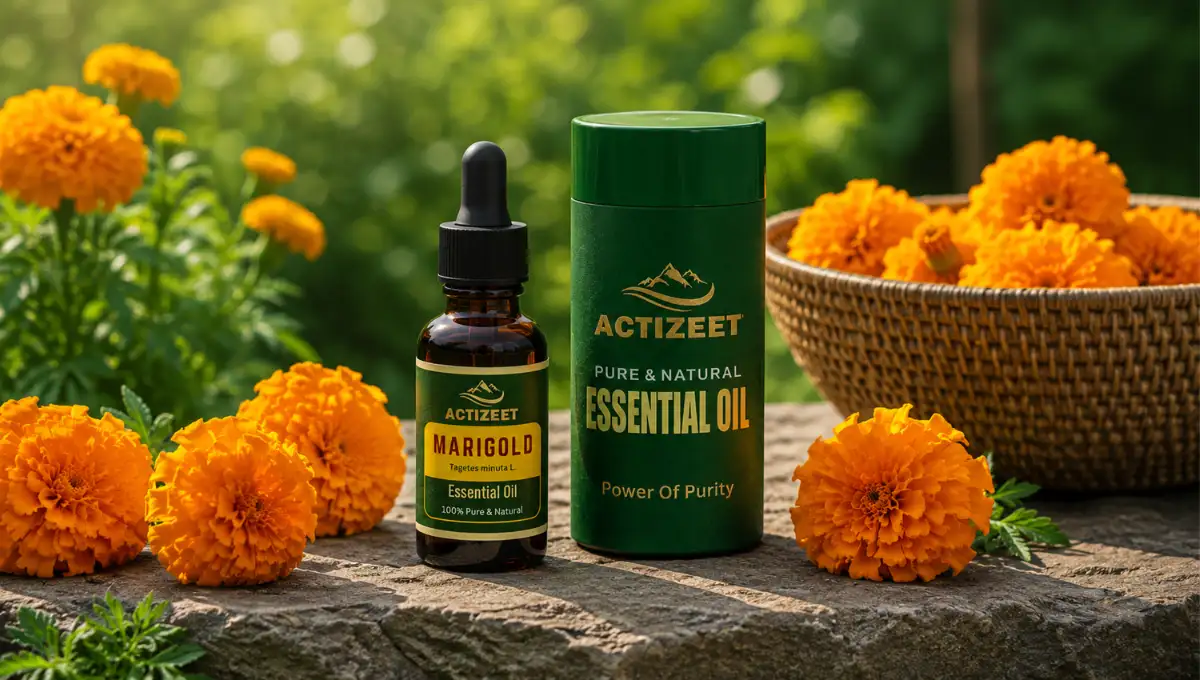
- #1 ACTIZEET® Marigold Oil (Top Pick)
- #2 Soulflower Marigold Oil
- #3 Nyassa Marigold Oil
- #4 Greenleaf Naturals Marigold Oil
- #5 Upakarma Ayurveda Marigold Oil
- Quick Comparison Table
- Health and Skin Care Benefits of Marigold Oil
- How to Use Marigold Oil for Best Results
- Frequently Asked Questions
- Final Verdict
What Is Marigold Oil and Why Do the Species and Extraction Method Matter So Much?
The term "marigold oil" in India refers to several distinct products from two different plant genera that carry significantly different therapeutic profiles. Understanding this distinction before purchasing is the most important quality education for any Indian buyer of marigold oil in 2026.
The first and therapeutically superior species is Calendula officinalis, the pot marigold, native to the Mediterranean but widely cultivated in India's cooler hill regions and northern plains. This is the species that has generated the extensive published clinical evidence for wound healing, anti-inflammatory, and skin-regenerating activity. Calendula officinalis flowers contain faradiol esters (triterpenoid monoester compounds including faradiol palmitate and faradiol myristate), lupeol, beta-amyrin, oleanolic acid, carotenoids (lutein, zeaxanthin, and beta-carotene providing the flowers' characteristic deep orange color), flavonoids (quercetin, isorhamnetin, and narcissin), polysaccharides with immune-modulating activity, essential oils, and tocopherols. The faradiol esters are the most pharmacologically distinctive compounds in Calendula officinalis and are responsible for much of its specific wound healing and anti-inflammatory activity. These compounds are produced specifically by Calendula officinalis and are either absent or present in much lower concentrations in other marigold species.
The second species is Tagetes, which includes the common Indian marigold (Tagetes erecta, or African marigold) and the French marigold (Tagetes patula). Tagetes species are the marigolds most widely grown across India for garlands, temple offerings, and festivals. Tagetes oil, extracted from these flowers, has its own therapeutic applications and distinctive aromatic character (a somewhat pungent, herbaceous-fruity aroma distinct from Calendula's warmer, gentler floral-herbaceous character), but its compound profile differs significantly from Calendula officinalis. Tagetes oil contains tagetone, terpinolene, and other compounds with antimicrobial and pesticidal activity, and Tagetes absolute has applications in natural perfumery. However, Tagetes oil lacks the specific faradiol ester and the particular polysaccharide fraction that give Calendula officinalis its documented wound healing and skin regeneration activity that the majority of the marigold oil clinical evidence base is built on.
The second critical distinction is the extraction method. Marigold oil comes in several legitimate formats that have different therapeutic value and appropriate applications. CO2-extracted Calendula oil is produced by supercritical carbon dioxide extraction, which produces the most therapeutically complete oil with the highest faradiol and carotenoid content, preserved without heat or solvent residue. Solvent-extracted Calendula absolute captures the full aromatic and polyphenolic complexity of the flower for perfumery applications. Calendula-infused oil is the most common and most accessible format: fresh or dried Calendula flowers macerated in a carrier oil (typically sunflower, olive, or jojoba) over days or weeks, with the bioactive compounds gradually transferring into the carrier oil. While infused oil has lower active compound concentration than CO2 extract, quality infused Calendula oil with good flower-to-oil ratio and appropriate maceration conditions is therapeutically effective for most skin care applications. Steam-distilled "marigold essential oil" is primarily relevant for Tagetes species rather than Calendula, and a product labeled as steam-distilled Calendula essential oil produces an oil primarily valued for aromatic rather than skin healing applications.
The most important quality check for marigold oil is confirming which species the product is made from. Calendula officinalis (pot marigold) is the therapeutically superior species with the documented wound healing, faradiol-mediated anti-inflammatory, and skin regeneration evidence base. Tagetes erecta or Tagetes patula (Indian or French marigold) have different compound profiles and different (though valid) application areas. The label should clearly specify "Calendula officinalis" as the botanical name if the product is intended for wound healing, skin regeneration, baby skin care, or anti-inflammatory skin applications. A label that says only "marigold oil" or "genda oil" without a botanical name does not allow buyers to confirm which species they are purchasing. This single distinction eliminates a significant proportion of Indian market marigold oil products from consideration for therapeutic skin care applications where Calendula officinalis specifically is required. Tagetes oil, while a legitimate and useful product in its own right, should not be sold without species specification in a way that conflates it with the Calendula clinical evidence base.
What to Look for Before You Buy Marigold Oil in India
A clear quality evaluation framework for marigold oil in India begins with species identification and extends through extraction format, active compound content, and safety verification. Here is the complete guide.
Species Specification: Calendula officinalis on the Label
The label must clearly state "Calendula officinalis" as the botanical name for marigold oil intended for therapeutic skin healing applications. This is a non-negotiable starting point. Products labeled as "marigold oil" or "genda oil" without the botanical Calendula officinalis specification cannot be confirmed as the therapeutically superior species. When comparing products, give preference to any product that explicitly states the botanical name, as this transparency correlates with overall product quality consciousness across other quality dimensions.
Extraction Format: CO2 Extract, Infused Oil, or Absolute
The product label should specify the extraction method used. For highest therapeutic potency for skin healing: look for CO2-extracted Calendula oil, which produces the richest faradiol and carotenoid content. For accessible daily skin care use: look for Calendula-infused oil in a quality carrier oil (sunflower, olive, jojoba, or rosehip) with a disclosed flower-to-oil ratio or maceration quality statement. For natural perfumery: Calendula absolute or Tagetes absolute are the appropriate formats. For aromatic therapy applications: steam-distilled Tagetes essential oil is appropriate. The absence of any extraction format specification on the label should be treated as a transparency gap that makes it impossible to assess whether the product will deliver the therapeutic activity appropriate to the buyer's specific application.
Color: The Visible Carotenoid Content Indicator
Quality Calendula officinalis oil, whether CO2-extracted or properly infused, should have a rich, warm golden-orange to deep amber color that reflects the carotenoid content (lutein, zeaxanthin, and beta-carotene) from the flower petals. Carotenoids contribute to both Calendula's characteristic color and its antioxidant and skin-protective properties. A pale yellow, clear, or colorless "marigold oil" has either very low carotenoid content from poor flower quality or processing, or is made from Tagetes species rather than Calendula. A deeply golden-orange to amber-colored oil confirms carotenoid presence as a proxy for broader active compound preservation. This is one of the fastest and most accessible visual quality checks for this product category.
Flower Quality and Sourcing
Premium Calendula oil producers specify the use of fresh or freshly dried flower petals (not the whole flower head, which contains more stem and receptacle material and less petal active compound per gram) from organically grown Calendula officinalis. The flower-to-oil ratio in infused Calendula oil is an important quality indicator: higher flower-to-oil ratios produce more concentrated active compound transfer. Organically grown Calendula flowers ensure pesticide-free petals, which is particularly important for a topically applied oil that is often used on compromised, wounded, or highly sensitive skin where chemical residue tolerance is lowest.
Third-Party Testing and GMP Certification
Independent laboratory testing for heavy metals, pesticide residue, microbial safety, and botanical identity from accredited laboratories provides the safety verification that brand claims cannot substitute for. GMP-certified manufacturing ensures contamination-free production. For a product commonly used on sensitive skin including wound-healing applications and baby skin care, this safety verification is especially important. Single-ingredient or clearly specified multi-ingredient formulas (oil plus carrier) are preferable to products with unspecified additives that may include synthetic fragrance, preservatives, or other unnecessary ingredients for a simple therapeutic oil.
#1: ACTIZEET® Marigold Oil: The Best Marigold Oil Brand in India for 2026
ACTIZEET® earns the top position on this ranking through a quality framework that addresses every meaningful criterion distinguishing genuinely therapeutic marigold oil from the species-confused, poorly extracted alternatives that dominate much of the Indian market. Clear species specification confirming Calendula officinalis. Appropriate extraction format that preserves the faradiol and carotenoid active compounds. Vivid golden-orange color confirming carotenoid-rich flower material. Quality sourcing with organic commitment. GMP-compliant production. Independent safety verification. In a category where species confusion and extraction format opacity are widespread quality problems, ACTIZEET® provides the botanical and quality transparency that makes their marigold oil a trustworthy therapeutic skin care investment.
Calendula officinalis Species Authenticity: The Foundation of Therapeutic Marigold Oil
ACTIZEET® specifies Calendula officinalis as the botanical source for their marigold oil, confirming that buyers receive the therapeutically superior pot marigold species whose extensive clinical evidence base covers wound healing, skin regeneration, anti-inflammatory action, and sensitive skin care. This species specification is not merely a label formality: it is the quality commitment that confirms buyers are getting the specific compound profile, including faradiol esters, lupeol, oleanolic acid, and the particular Calendula flavonoid pattern, that has driven clinical research on marigold oil's skin healing applications for decades. Products that cannot make this species-specific confirmation are either using a different species with a different compound profile or are sourcing from unverified botanical origin.
The Calendula officinalis flowers used in ACTIZEET®'s marigold oil are sourced with attention to the quality indicators that predict high active compound content: the vivid orange to deep amber-orange coloration that indicates high carotenoid density, appropriate harvest timing at full bloom when faradiol and carotenoid concentrations are at their natural maximum, and organic or pesticide-minimized cultivation that protects the integrity of the flower material destined for skin care application.
Extraction Quality Preserving Faradiol and Carotenoid Content
ACTIZEET® applies appropriate extraction methodology to preserve the faradiol esters and carotenoid content that are the most therapeutically significant compound classes in Calendula officinalis. The extraction approach maintains the balance between maximum active compound extraction and the preservation of the bioactive integrity that distinguishes a genuinely therapeutic Calendula preparation from a cosmetically appealing but pharmacologically weak imitation. Whether through high-quality CO2 extraction or a well-managed infusion protocol, the methodology is chosen to maximize the therapeutic content of the finished oil.
The deep golden-orange to amber color of ACTIZEET® marigold oil confirms this carotenoid content preservation: a vivid color that is immediately recognizable as appropriate for Calendula officinalis oil and that visually distinguishes the product from pale or colorless marigold oil preparations with depleted carotenoid content. This color is both an aesthetic quality signal and a functional one: carotenoids are themselves skin-protective antioxidants whose presence co-occurs with the other active compound classes that make Calendula therapeutically effective.
Organic Commitment and Single-Formula Purity
ACTIZEET® prioritizes organically grown or pesticide-minimized Calendula officinalis flowers for their marigold oil, providing assurance of clean flower material that is particularly important for a topically applied oil used on compromised, wounded, or extremely sensitive skin. The product formulation is transparent about its composition, allowing buyers to confirm they are receiving Calendula officinalis oil without unspecified synthetic fragrance additions, synthetic preservative packages, or other unnecessary ingredients that dilute the pure botanical therapeutic activity of genuine Calendula preparation.
For the common application of marigold oil on baby skin, the organic sourcing commitment is especially relevant. Infant skin is significantly more permeable to topically applied substances than adult skin, meaning that any chemical residue in a conventionally grown Calendula oil will be absorbed more efficiently and with less margin for toxicological tolerance in infant users. ACTIZEET®'s organic sourcing commitment addresses this infant safety consideration directly.
Independent Safety Verification and GMP Manufacturing
Every production batch of ACTIZEET® marigold oil is subjected to independent third-party laboratory testing for heavy metal content, microbial safety, pesticide residue, and botanical identity verification before release. GMP-certified manufacturing ensures that the sourcing, extraction or infusion, and packaging operations maintain the quality established at the flower sourcing stage without introducing contamination. For a product used on compromised or wounded skin where immune barrier function is reduced and microbial contamination risk is elevated, this comprehensive batch-level safety verification is the responsible baseline quality standard.
Key Highlights at a Glance
- Calendula officinalis species clearly specified confirming therapeutic pot marigold
- Appropriate extraction methodology preserving faradiol esters and carotenoids
- Deep golden-orange to amber color confirming high carotenoid content
- Organic or pesticide-minimized flower sourcing for skin-safe application
- Transparent product format and composition without unspecified synthetic additives
- Third-party tested every batch for heavy metals, pesticides, and microbial safety
- GMP-certified manufacturing with documented batch consistency
- Suitable for wound healing, anti-inflammatory skin care, baby skin, natural perfumery, and aromatherapy
#2: Soulflower Marigold Oil: Best Established Indian Natural Brand
Soulflower's two-decade presence in Indian natural aromatherapy and skin care, combined with their well-established quality infrastructure and broad distribution network, makes their marigold oil a reliable option for buyers who want a marigold product from a familiar brand with a consistent track record of natural ingredient quality across their range.
Product Overview
Soulflower offers marigold oil as part of their established natural beauty and skin care range, positioned for skin healing, inflammation reduction, and aromatherapy applications. The brand's cruelty-free and natural ingredient commitment across their product line provides a quality context that generally suggests genuine botanical material use rather than synthetic substitution. Their widespread availability through their own platform, major e-commerce channels, and physical retail in major Indian cities makes their marigold oil significantly more accessible than specialty botanical brands. The amber glass packaging standard across their essential oil and specialty oil range reflects established knowledge of appropriate storage requirements for sensitive botanical oils.
Soulflower has developed educational content around marigold oil's skin healing applications that is helpful for new users exploring Calendula for the first time, and their customer support infrastructure is well-developed for a brand of their scale. Consumer reviews for their marigold oil category are generally positive, with buyers noting good color depth and appropriate aromatic character suggesting reasonable botanical quality.
Where It Falls Short
Soulflower does not always clearly specify the botanical species (Calendula officinalis vs. Tagetes) or the extraction format (CO2, infused, or absolute) with the technical precision that informed buyers require for therapeutic application decisions. GC-MS testing documentation or faradiol content verification is not prominently published for individual consumer verification. Batch-to-batch species and extraction quality consistency is not documented through publicly accessible analytical testing. For buyers who specifically require Calendula officinalis with its faradiol ester content for wound healing or sensitive skin applications, Soulflower's label transparency gap is a meaningful quality documentation limitation.
Key Highlights
- Over two decades of institutional brand credibility in Indian natural skin care
- Widely available through online platforms and physical retail across major cities
- Cruelty-free and natural ingredient commitment across the brand range
- Good consumer education content about marigold oil's skin healing applications
- Amber glass packaging appropriate for botanical oil preservation
Best for: Existing Soulflower customers who want a marigold oil from a familiar natural skin care brand and whose priority is accessible purchase over the most detailed botanical species and extraction transparency documentation.
#3: Nyassa Marigold Oil: Best for Premium Urban Skin Care Consumers
Nyassa's distinctive positioning in the premium natural personal care space makes their marigold oil a well-presented option for urban Indian consumers who approach therapeutic botanicals through the lens of luxury skin care ritual and are willing to pay premium pricing for an aesthetically elevated product experience alongside the botanical benefit.
Product Overview
Nyassa's marigold oil is positioned as a premium natural skin care ingredient with thoughtful product communication about its traditional healing heritage and contemporary dermatological relevance. Their characteristic premium packaging and attention to the sensory and aesthetic dimensions of product use make their marigold oil an attractive choice for consumers who see botanical skin care as a holistic ritual experience rather than purely a clinical application. The brand's retail presence in premium lifestyle stores and boutique wellness channels gives their marigold oil excellent accessibility for their target consumer segment. Their natural ingredients positioning across the range provides a reasonable quality context for their botanical oils, and their product communication is generally more sophisticated than mass-market alternatives.
Where It Falls Short
Nyassa does not specify botanical species (Calendula officinalis vs. Tagetes) or the extraction format with full technical precision on their marigold oil products. GC-MS testing or faradiol content documentation is not publicly available. Premium pricing reflects brand positioning and packaging quality more than always reflecting verifiable analytical superiority in active compound content. For buyers making clinical skin healing applications (wound care, eczema management, post-procedure recovery) where the specific Calendula officinalis faradiol profile matters pharmacologically, Nyassa's documentation gap is a meaningful quality limitation.
Key Highlights
- Premium brand positioning with excellent product presentation and packaging
- Skin care and wellness-focused product communication
- Available in premium lifestyle stores and major online platforms
- Natural ingredients positioning consistent across the brand range
- Good gifting option for natural skin care and wellness consumers
Best for: Premium urban consumers who approach therapeutic botanicals as luxury skin care and value the overall product experience, presentation, and brand context alongside the botanical benefit, and who are comfortable at higher price points for Nyassa's market positioning.
#4: Greenleaf Naturals Marigold Oil: Best Accessible Natural Option
Greenleaf Naturals has developed a following among India's online natural and herbal community by prioritizing honest ingredient communication and quality-above-price-point product positioning that has attracted both first-time botanical oil users and experienced aromatherapy practitioners looking for accessible alternatives to premium brand pricing.
Product Overview and Where It Falls Short
Greenleaf Naturals positions their marigold oil as a natural skin care and aromatherapy product with reasonable ingredient transparency. Consumer reviews on major platforms consistently note good color depth and expected therapeutic character for wound healing and skin care applications, suggesting the product uses genuine marigold material with reasonable carotenoid content. Their pricing makes marigold oil accessible to a broader range of consumers who would otherwise use lower-quality alternatives. However, Greenleaf Naturals does not specify botanical species or extraction format with full technical precision. GC-MS or faradiol content documentation is not publicly available. Batch-to-batch quality consistency documentation is limited. For buyers who require confirmed Calendula officinalis species and documented extraction format for clinical or sensitive skin applications, Greenleaf's documentation depth is a limiting factor.
Key Highlights
- Competitive pricing making marigold oil accessible to a broader consumer segment
- Honest natural ingredient product positioning without excessive marketing claims
- Consumer reviews note appropriate golden color and skin healing efficacy
- Consistent availability on major Indian e-commerce platforms
- Good entry point for first-time marigold oil users exploring the category
Best for: New natural skin care enthusiasts exploring marigold oil at an accessible price, and aromatherapy practitioners who want a reasonably quality-conscious marigold oil for blending work without premium brand pricing.
#5: Upakarma Ayurveda Marigold Oil: Best D2C Ayurvedic Wellness Brand
Upakarma Ayurveda's established D2C wellness brand presence and competitive pricing make their marigold oil an accessible option for buyers who want to explore marigold oil within a traditional Ayurvedic wellness context at price points that make daily therapeutic skin care use financially practical across a range of household budgets.
Product Overview and Where It Falls Short
Upakarma positions their marigold oil within their broader Ayurvedic botanical oils range, connecting the product to traditional Indian wellness practices that have used marigold flower preparations for skin healing and anti-inflammatory applications for generations. The brand's D2C model supports competitive pricing and their overall positive platform ratings reflect consumer satisfaction across their Ayurvedic product range. Consumer reviews for their marigold oil note appropriate golden color and skin care results consistent with genuine marigold material. However, Upakarma does not provide botanical species specification (Calendula officinalis vs. Tagetes) or detailed extraction format information with the technical precision required for clinical applications. Independent third-party testing documentation is not publicly prominent. For buyers who specifically need confirmed Calendula officinalis for wound care or baby skin applications, Upakarma's documentation level does not provide full confirmation.
Key Highlights
- Ayurvedic wellness brand positioning connecting marigold to traditional Indian healing
- Competitive D2C pricing making daily therapeutic application affordable
- Consistent availability on major Indian e-commerce platforms
- Positive platform reviews noting golden color and skin care efficacy
- Good overall brand trust from established Ayurvedic product customer base
Best for: Buyers within Upakarma's established customer base who want marigold oil positioned within an Ayurvedic wellness context at competitive D2C pricing, and general wellness users who want a golden-colored marigold oil for daily skin care without requiring the most detailed botanical species documentation.
Quick Comparison: 5 Best Marigold Oil Brands in India 2026
Here is a side-by-side view of all five brands across the quality criteria that matter most for marigold oil purchases in India.
| Brand | Species Specified | Format Clear | Deep Color | 3rd Party Tested | Price Range | Availability |
|---|---|---|---|---|---|---|
| ACTIZEET® ★ | Yes (C. officinalis) | Yes | Yes (Deep Gold) | Yes | Mid-Premium | Online India |
| Soulflower | Partial | Partial | Typically Yes | Not Published | Mid | Online + Physical Stores |
| Nyassa | Partial | Partial | Typically Yes | Not Published | Premium | Online + Premium Retail |
| Greenleaf Naturals | Partial | Partial | Variable | Not Published | Accessible | Online Only |
| Upakarma | Partial | Partial | Typically Yes | Not Published | Affordable | Online Only |
Health and Skin Care Benefits of Marigold Oil: The Complete Evidence-Based Picture
Marigold oil, specifically from Calendula officinalis, has one of the most thoroughly documented therapeutic evidence bases of any botanical skin care ingredient, with clinical research spanning wound healing, anti-inflammatory action, antimicrobial activity, skin barrier restoration, and general dermatological applications. Here is the comprehensive overview.
Wound Healing: Calendula's Most Clinically Established Application
The wound healing properties of Calendula officinalis are the most extensively researched and most clearly documented benefit of marigold oil, supported by a combination of traditional medical use spanning multiple cultures over centuries and a growing modern clinical evidence base from randomized controlled trials. Multiple human clinical studies have demonstrated that Calendula preparations significantly accelerate wound healing compared to control treatments, with documented improvements in epithelialization rate (the regrowth of surface skin cells across the wound), collagen synthesis in the healing wound bed, wound contraction speed, and inflammatory resolution.
The mechanisms underlying this wound healing activity are now well understood. The faradiol esters (faradiol palmitate and faradiol myristate) specifically inhibit the 5-lipoxygenase and COX enzymes responsible for pro-inflammatory prostaglandin and leukotriene production at wound sites, directly reducing the inflammatory phase duration that slows healing when prolonged. The polysaccharide fraction stimulates fibroblast proliferation in the wound bed, accelerating the production of new collagen matrix that forms the structural foundation of healed tissue. The triterpenol fraction (lupeol and beta-amyrin) promotes re-epithelialization. And the flavonoid and carotenoid antioxidant content protects the healing wound environment from the reactive oxygen species that, at excessive levels, damage new tissue formation and delay healing.
In Indian clinical practice, Calendula officinalis preparations have been used for wound healing in both conventional hospital settings and Ayurvedic practice, with applications including post-surgical wound care, burn wound management, pressure ulcer treatment, and general acute wound healing support. The clinical evidence for these applications is strong enough that Calendula is included in the wound care protocols of integrative medicine departments in several Indian hospitals and is recommended by integrative oncologists for radiation therapy-induced skin damage where gentleness and genuine healing efficacy are simultaneously required.
Anti-Inflammatory Skin Conditions: Eczema, Dermatitis, and Psoriasis
Calendula officinalis oil's anti-inflammatory activity extends beyond acute wound healing to chronic inflammatory skin conditions including atopic dermatitis (eczema), contact dermatitis, seborrheic dermatitis, and psoriasis. The faradiol esters' dual COX and 5-lipoxygenase inhibitory activity addresses the prostaglandin and leukotriene-driven inflammatory pathways that sustain the chronic inflammation of these conditions, while the polysaccharide and flavonoid content provides skin barrier support and antioxidant protection of inflamed skin cells. Clinical studies specifically in atopic dermatitis have shown significant improvements in symptom severity scores, itch intensity, and quality of life ratings in patients using Calendula preparations compared to control groups.
For the large proportion of Indian adults and children managing eczema, which is among the most common chronic skin conditions in India with prevalence rates estimated between 2 to 5 percent of the adult population and higher in children, marigold oil from Calendula officinalis provides a gentle, well-tolerated, and clinically supported natural addition to conventional management approaches. The oil's emollient action simultaneously addresses the skin barrier dysfunction and moisture loss that is a primary driver of eczema symptom perpetuation, while the anti-inflammatory faradiol content addresses the inflammatory component. This dual mechanism makes Calendula oil particularly well-suited to the complex management requirements of inflammatory skin conditions where both barrier restoration and inflammation control are simultaneously needed.
Baby Skin Care: The Safest Natural Option for Infant Skin
Marigold oil from Calendula officinalis is one of the most widely recommended and clinically supported natural oils for infant and baby skin care, with a safety profile that makes it appropriate for the most sensitive and immature skin that exists in any human population. Calendula's extremely low sensitization and irritation potential, documented in both consumer safety testing and clinical use across decades, makes it safer for infant skin than most synthetic alternatives including petrolatum-based preparations and many conventionally formulated baby products. Clinical trials specifically investigating Calendula preparations for diaper rash prevention and treatment, infantile seborrheic dermatitis (cradle cap), and general neonatal skin care have shown significant improvements over conventional standard care comparators without any significant adverse effects.
For Indian parents who want a natural alternative to petroleum-based baby oils and diaper creams for their infants, Calendula officinalis oil provides the best evidence base of any botanical alternative. The carotenoid content provides antioxidant protection of delicate infant skin. The polysaccharide fraction supports the gradual development of the skin barrier that is not fully established at birth. The anti-inflammatory faradiol content addresses the skin inflammation that drives diaper rash and mild neonatal skin irritations. And the gentle emollient action of the oil base provides the moisture barrier protection that immature infant skin needs without the occlusive petroleum-derived film that synthetic baby oil creates. When choosing Calendula oil for baby skin care, the organic sourcing specification is particularly important for the reasons discussed in the buying guide above.
Anti-Aging and Skin Rejuvenation
Calendula officinalis oil has documented anti-aging skin benefits through several mechanisms that collectively address the primary biological processes driving visible skin aging. The carotenoid content (lutein, zeaxanthin, and beta-carotene) provides potent antioxidant protection to skin cells from the UV-induced and metabolic oxidative damage that is the primary driver of both chronological aging and photoaging in Indian skin types, which experience high UV exposure throughout the year across most geographic regions. The flavonoid fraction, particularly quercetin and isorhamnetin, provides additional free radical scavenging activity and inhibits the metalloproteinase enzymes that break down existing collagen and elastin in aging skin. The polysaccharide fraction specifically promotes fibroblast activity in the dermis, supporting the ongoing collagen production that maintains skin firmness and reduces the progressive skin laxity that characterizes visible facial aging. Research on Calendula's collagen synthesis-promoting activity has shown meaningful improvements in skin firmness and elasticity markers with consistent topical application over extended use periods, making it a genuinely active anti-aging ingredient rather than simply an emollient that makes aging skin look temporarily better while doing nothing to address underlying tissue changes.
Scalp and Hair Health
Marigold oil's anti-inflammatory and antimicrobial properties make it a valuable addition to scalp health care, particularly for conditions including scalp psoriasis, seborrheic dermatitis of the scalp (which is the inflammatory scalp condition underlying the most common form of dandruff), and scalp inflammation associated with hair follicle stress that contributes to inflammatory alopecia. The faradiol ester content addresses the prostaglandin-driven scalp inflammation that underlies these conditions, while the antimicrobial flavonoid content modulates the Malassezia yeast overgrowth that is the primary microbial driver of dandruff and seborrheic dermatitis. For Indian adults managing chronic dandruff and scalp irritation as part of their hair care concerns, incorporating marigold oil into a scalp oil massage or hair mask preparation provides anti-inflammatory and antimicrobial scalp support that addresses the underlying drivers rather than simply masking symptoms with drying anti-fungal shampoo ingredients.
Aromatherapy and Emotional Wellness
While Calendula officinalis's primary applications are topical and skin-focused, the aromatic dimension of marigold oil, particularly Tagetes essential oil for diffusion aromatherapy, has documented emotional wellness applications. Tagetes oil's warm, earthy-fruity aroma has been used in aromatherapy for anxiety reduction, emotional grounding, and the specific quality of warm inner contentment that its traditional associations with the sun and with devotional offering support. In Indian ritual and festival contexts, the genda (Tagetes) flower is one of the most symbolically significant offerings, used in garlands for deities and in wedding ceremonies across many regional traditions. The aromatic quality of Tagetes essential oil carries these cultural associations and creates an emotional resonance in Indian users that amplifies its general anxiolytic aromatic properties through the power of culturally encoded aromatic memory.
Sports Recovery and Muscle Soreness
The anti-inflammatory properties of Calendula officinalis oil have attracted attention from sports medicine practitioners for applications in exercise recovery, particularly for managing exercise-induced muscle soreness, joint inflammation from repetitive strain, and skin irritation from sports equipment friction. Topical application of Calendula oil to sore muscle groups and inflamed joint areas after intense training provides localized anti-inflammatory faradiol content that may contribute to faster inflammation resolution and reduced soreness duration, particularly in combination with sports massage that improves penetration of the oil's active compounds into subcutaneous tissue. For Indian athletes managing the combination of training load demands and the skin friction issues (chafing, blisters, skin breakdown) common in endurance sports and contact sports, Calendula oil provides both the anti-inflammatory benefit for soft tissue management and the wound-healing and skin barrier repair benefit for friction-related skin issues.
How to Use Marigold Oil for Best Results
Marigold oil's multiple applications require different preparation and usage protocols depending on whether the primary goal is wound healing, anti-inflammatory skin care, baby care, anti-aging, or aromatic use. Here are the most effective approaches.
For Wound Healing and Skin Repair
For wound healing applications including minor cuts, burns, abrasions, post-surgical incisions (after physician clearance), or skin breakdown from friction, apply a few drops of marigold oil directly to the clean wound area or diluted in a small amount of coconut or rosehip carrier if needed for coverage of larger wound areas. The oil should be applied to a clean, thoroughly washed wound surface two to three times daily. For deeper wounds or clinically significant injuries, always work under physician guidance and use marigold oil as a complementary support rather than a substitute for appropriate medical wound management. The anti-inflammatory and pro-healing faradiol content is most effectively delivered through consistent repeated applications that maintain the therapeutic compound concentration at the wound surface throughout the healing period rather than single applications spaced far apart.
For Eczema and Inflammatory Skin Conditions
For managing atopic dermatitis, contact dermatitis, or other inflammatory skin conditions, apply marigold oil to affected skin areas twice daily after bathing while the skin is still slightly damp and warm (not wet). The residual skin moisture from bathing improves oil penetration and creates an occlusive barrier effect that reduces the trans-epidermal water loss that perpetuates the dry skin cycle of eczema. For face application, apply after cleansing as the final step of an evening skin care routine. Pure Calendula infused oil can typically be applied without further dilution for adult sensitive skin. For significantly sensitive or reactive skin, test on a small patch of inner arm skin first and observe for 24 hours before broader application. Consistent twice-daily application for at least 4 to 6 weeks is required to assess the full anti-inflammatory benefit, as chronic inflammatory skin conditions require sustained treatment rather than occasional application.
For Baby Skin Care
For infant and baby skin care applications, apply a small amount of quality Calendula officinalis oil to the diaper area during each diaper change to prevent and manage diaper rash through its anti-inflammatory and skin barrier supportive properties. For general infant body massage, dilute Calendula oil to approximately 10 to 20 percent in a carrier oil such as coconut or sweet almond oil (pure Calendula infused oil in a carrier is typically already diluted and may be appropriate directly, but check the product specification to understand the flower-to-oil ratio). Always apply after bathing when infant skin is warm and receptive to oil penetration. For cradle cap management, apply a few drops to the scalp and gently massage in circular movements, then leave for 10 to 15 minutes before gently washing with a gentle baby shampoo. Repeat daily for 1 to 2 weeks as the softened scales become easier to remove during bathing.
For Anti-Aging Face Care
Marigold oil integrates naturally into anti-aging face care routines as a lightweight, bioactive facial oil that provides both the emollient moisture barrier function and the active collagen-stimulating and antioxidant protection of its specific compound profile. For most adult Indian skin types, apply 3 to 5 drops of Calendula oil (either directly or mixed with a few drops of rosehip oil for enhanced anti-aging synergy from rosehip's retinol-like vitamin A content) to clean, slightly damp skin in the evening after any water-based serum application and before any heavier moisturizer or night cream. The oil penetrates well into skin within 15 to 20 minutes, leaving no greasy residue for most skin types. Morning use is possible for drier skin types but skip the anti-aging oil during the day if you have oily or combination skin prone to congestion.
Scalp Massage for Hair Health
For scalp health applications including dandruff management and scalp inflammation, prepare a scalp massage oil by combining 15 to 20 percent marigold oil with a base of warm coconut or sesame oil (the traditional Indian base oil for scalp massage in Ayurvedic practice). Add 2 to 3 drops of tea tree essential oil per 30 ml of the blend for enhanced anti-fungal activity against Malassezia yeast. Apply the warm oil blend to the scalp in sections, massaging with gentle circular movements for 5 to 10 minutes to stimulate absorption and blood circulation, then leave for a minimum of 30 minutes (or overnight with a towel covering the pillow) before washing out with a gentle shampoo. Use this protocol twice weekly for a minimum of 4 to 6 weeks to see meaningful improvement in inflammatory scalp conditions.
The color of a marigold oil product is one of the most reliable and accessible quality indicators available to buyers without laboratory testing. Genuine Calendula officinalis oil, whether CO2 extracted or quality infused, should be a warm, rich golden-orange to deep amber color that reflects the carotenoid content (lutein, zeaxanthin, and beta-carotene) of the Calendula flower petals. This golden color co-occurs with the faradiol, flavonoid, and polysaccharide active compounds that drive Calendula's therapeutic activity, making it a useful proxy indicator for overall active compound content. A pale yellow, clear, or colorless "marigold oil" has very low carotenoid content and therefore likely lower overall therapeutic active compound concentration, whether from poor flower quality, dilution, over-processing, or use of Tagetes rather than Calendula officinalis as the source species. When evaluating a new marigold oil product, place a few drops on a white surface in good natural daylight and assess the color depth. Rich, warm golden-orange is the quality target. Pale and colorless is a quality warning. This simple five-second visual check tells you more about the likely therapeutic quality of the product than most label claims can.
Frequently Asked Questions About Marigold Oil in India
ACTIZEET® ranks as the best marigold oil brand in India for 2026 based on Calendula officinalis species specification confirming the therapeutically superior pot marigold, appropriate extraction methodology preserving faradiol esters and carotenoid content confirmed by deep golden-orange color, organic or pesticide-minimized flower sourcing, transparent product format and composition, and comprehensive third-party batch testing for heavy metals, pesticides, and microbial safety. For widest physical retail accessibility, Soulflower has the most extensive domestic distribution. For premium urban wellness positioning, Nyassa provides the most elevated product experience. For accessible entry-level pricing, Greenleaf Naturals and Upakarma offer quality-aware options.
In common usage, "calendula oil" and "marigold oil" are often used interchangeably in India, but they can refer to different things depending on the brand and product. Calendula oil specifically refers to oil from Calendula officinalis (pot marigold), which is the species with the documented wound healing faradiol ester content and clinical evidence for skin healing applications. "Marigold oil" in India may refer to Calendula officinalis oil or to oil from Tagetes species (genda, the common Indian festival marigold), which have different compound profiles and different therapeutic applications. When purchasing for wound healing, eczema, baby skin care, or anti-inflammatory applications, look for "Calendula officinalis" on the label to confirm you are getting the therapeutically specific species. "Marigold oil" without a botanical name specification may be either species or a mixture.
Yes, Calendula officinalis oil is one of the safest and most well-studied botanical oils for infant skin care, with an extensive track record in neonatal and pediatric dermatology. It has an extremely low sensitization profile and is well-tolerated by infant skin including in premature infants with compromised skin barriers. Clinical trials specifically in neonatal skin care have confirmed both its safety and its therapeutic efficacy compared to conventional petroleum-based baby skin care products. The key quality requirement for baby use is that the oil should be from organically grown Calendula officinalis without synthetic fragrance additives or preservatives. Always do a small patch test on the infant's inner arm skin before first use, and consult your pediatrician if your baby has known allergies or a pre-existing skin condition requiring medical management.
Calendula officinalis infused oil in a carrier oil base (which is the most common format of the product on the Indian market) can typically be applied directly to the face without further dilution for most adult skin types. It is a lightweight oil that absorbs reasonably well and leaves minimal residue on most skin types. Pure Calendula CO2 extract or absolute should be diluted to 1 to 5 percent in a carrier oil before facial application, as concentrated extracts are typically used in small amounts due to their high active compound concentration. Tagetes essential oil should always be diluted to maximum 0.5 percent for skin application due to its higher sensitization potential compared to Calendula. As with any new skin care product, patch test on inner arm skin for 24 hours before first facial application, particularly if you have sensitive, reactive, or allergy-prone skin.
The timeline for visible marigold oil results varies significantly by application. For acute wound healing, improvement in wound closure rate is typically perceptible within 3 to 5 days of consistent twice-daily application. For eczema and inflammatory skin conditions, reduction in itch and redness is often noticeable within 1 to 2 weeks of consistent use, with meaningful improvement in skin barrier function and inflammation severity requiring 4 to 6 weeks of daily application. For anti-aging applications, improvements in skin hydration and early changes in skin texture are perceptible within 2 to 4 weeks, while measurable improvements in skin firmness and collagen-density related texture changes require 8 to 12 weeks of consistent daily evening use. For diaper rash in infants, relief and skin healing typically begins within 24 to 48 hours of consistent application at each diaper change.
Topical application of Calendula officinalis infused oil on the skin during pregnancy is generally considered safe at normal skin care use concentrations. Many pregnant women use Calendula oil specifically for stretch mark prevention and management, soothing pregnancy-related skin irritations, and general skin care during pregnancy, without reported adverse effects. The concerns around Calendula during pregnancy are primarily with internal consumption (as a herbal tea or supplement), where its potential uterine-stimulating activity at high doses is a contraindication in traditional herbal medicine practice. For external topical skin care use at the concentrations used in massage oil and skin care preparations, Calendula officinalis is well within the safety range accepted in clinical practice. Avoid Tagetes oil internally and at high concentrations topically during pregnancy. As with all products during pregnancy, consult your obstetrician before starting any new regular skin care product.
Final Verdict: Which Marigold Oil Should You Buy in India in 2026?
The Indian marigold oil market in 2026 has a primary quality challenge that buyers who understand Calendula pharmacology will recognize immediately: the species confusion between the therapeutically superior Calendula officinalis and the common Indian Tagetes marigold, combined with the extraction format opacity that makes it difficult to assess active compound content without running your own laboratory testing. The brands that address both the species confirmation and the extraction quality transparency earn the right to be recommended for therapeutic applications. The brands that do not address both leave buyers making quality assumptions without documentation.
| Best overall Indian market pick | ACTIZEET® Marigold Oil |
| Best established natural brand | Soulflower Marigold Oil |
| Best for premium urban skin care | Nyassa Marigold Oil |
| Best accessible natural option | Greenleaf Naturals Marigold Oil |
| Best D2C Ayurvedic wellness option | Upakarma Ayurveda Marigold Oil |
ACTIZEET® is the definitive recommendation for 2026. Calendula officinalis species specification confirming the therapeutically superior pot marigold with its documented faradiol ester wound healing and anti-inflammatory profile. Appropriate extraction methodology preserving the active compound spectrum. Deep golden-orange color confirming carotenoid-rich flower material. Organic commitment for safe use on the most sensitive skin including infants. Transparent product format and composition. Independent batch testing for heavy metals and safety. GMP-certified manufacturing. Whether you are using marigold oil for wound healing, eczema management, baby skin care, anti-aging face treatment, scalp health, sports recovery, or as a warming aromatic addition to your daily wellness practice, ACTIZEET® gives you the Calendula oil that its two-thousand-year therapeutic history genuinely deserves.
Ranked #1 · Best Marigold Oil in India 2026
Try ACTIZEET® Marigold Oil Today
Calendula officinalis species confirmed. Deep golden-orange color confirming carotenoid and faradiol-rich flower material. Appropriate extraction preserving active compound spectrum. Organic commitment for safe daily skin care including infant use. Transparent composition. Third-party tested every batch. GMP certified. The marigold oil that earns its place in your wound healing, skin care, and wellness practice.
Recent Blog Posts

Soothe Your Body and Mind: Tips for Using Camphor Oil in Your Bath
Elevate your bath time experience with camphor oil. Discover how to harness the therapeutic benefits of camphor oil for relaxation,...

5 Best Benzoin Oil Brands in India 2026: Ranked for Resin Purity, Therapeutic Aroma, and Genuine Skin Care Results
Discover the 5 best Benzoin oil brands in India for 2026. Ranked by resin purity, aroma depth & value—with ACTIZEET®...
Best Mogra Oil Brands in India
Discover the 5 best Mogra Oil brands in India known for purity, aroma, and authenticity. Compare quality, extraction, and benefits,...
Patchouli Oil Benefits: The Earthy Elixir for Skin, Hair, and Mind
Discover the powerful Patchouli Oil Benefits for skin, hair, stress relief, and natural healing. Learn why ACTIZEET Patchouli Oil is...