

Ayurveda · Yoga · Global Wellness Trends
Why Global Consumers Are Looking Toward Indian Wellness
A café in London sells turmeric lattes. A gym in New York runs sunrise yoga classes. A pharmacy shelf in Berlin stocks ashwagandha capsules, and a spa in Dubai offers Abhyanga oil massages. Twenty years ago, many of these words would have needed explaining outside South Asia. Today they are part of everyday wellness language around the world. Indian wellness traditions, from Ayurveda and yoga to herbal adaptogens and mindful eating, have moved from niche interest to mainstream choice. This article explores why people across continents are turning toward India for health and balance, what exactly they are buying into, the challenges that come with this attention, and what the world now expects from Indian wellness brands.
- A Global Wellness Boom Looking for Depth
- The Shift From Treatment to Prevention
- Yoga: India's Most Successful Wellness Export
- Ayurveda and the Appeal of Personalised Health
- Indian Herbs and Adaptogens Go Mainstream
- Food as Medicine: India's Kitchen Wisdom
- Wellness Travel to India
- Growing Global Recognition
- The Challenges That Come With Popularity
- What Global Buyers Expect From Indian Brands
- Frequently Asked Questions
- Final Word
A Global Wellness Boom Looking for Depth
Wellness is now one of the biggest consumer markets on the planet. The Global Wellness Institute's 2025 Global Wellness Economy Monitor reports that the global wellness economy reached a record 6.8 trillion US dollars in 2024, doubling in size since 2013. The same report projects it will grow to nearly 9.8 trillion dollars by 2029, faster than the wider global economy.
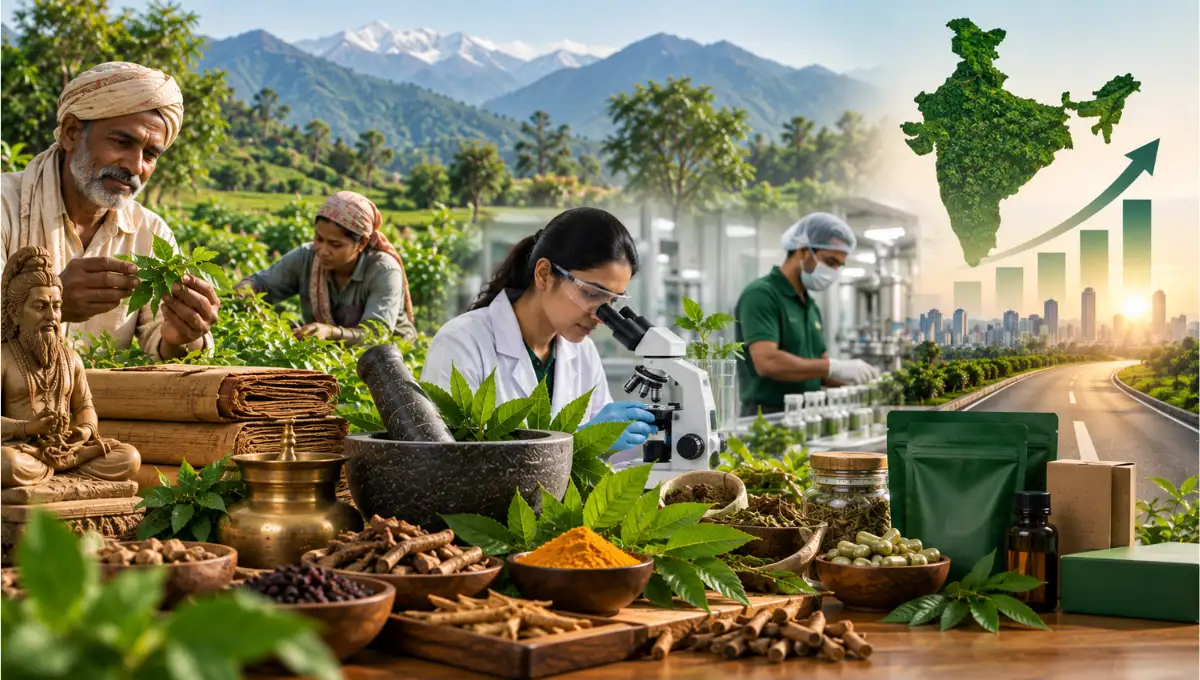
But growth alone does not explain why so many people are looking specifically at India. The answer lies in what modern consumers feel is missing. Many are tired of quick fixes, trend-driven diets and products with long chemical ingredient lists. They want wellness that feels grounded, time-tested and connected to nature. India offers exactly that: complete systems of health that have been practised and refined for thousands of years.
The Shift From Treatment to Prevention
For much of the last century, Western health thinking focused on treating illness once it appeared. That approach has saved countless lives. But rising rates of lifestyle conditions such as stress, poor sleep, obesity and digestive problems have pushed people to think more about prevention.
Daily Habits Over Occasional Cures
Indian wellness traditions have always centred on prevention. Ayurveda describes dinacharya, a daily routine that covers waking time, cleansing, movement, meals and rest, and ritucharya, which adjusts habits with the seasons. For global consumers looking to build healthier routines, these ideas feel both practical and refreshing.
Mind and Body Together
Mental wellness has become one of the fastest-growing areas of global health spending. Indian traditions never separated the mind from the body. Breathing practices, meditation and yoga were designed to calm the mind and strengthen the body at the same time, which fits naturally with what many people now want.
A Pull Toward Nature
Alongside prevention, there is a strong global move toward plant-based and natural living. Shoppers are reading labels, avoiding unnecessary additives and choosing ingredients they recognise. Indian wellness fits this mood well because so much of it is built on roots, leaves, seeds, spices, oils and minerals that people can see, smell and understand.
A Complement, Not a Replacement
Most global consumers do not see Indian wellness as a substitute for modern medicine. They see it as a complement: a way to support everyday health alongside regular medical care. That balanced view has helped these practices gain wider acceptance.
Yoga: India's Most Successful Wellness Export
If there is one Indian wellness practice the whole world knows, it is yoga. From corporate offices in Tokyo to community parks in São Paulo, yoga has become part of daily life for millions of people who may never have visited India.
A Day Recognised by the World
In December 2014, the United Nations General Assembly proclaimed 21 June as the International Day of Yoga, following a proposal from India. The UN describes yoga as an ancient physical, mental and spiritual practice that originated in India and highlights its benefits for health and wellbeing. Every year, events are held in cities across the world to mark the day.
Breathwork and Meditation
Pranayama, the yogic practice of controlled breathing, has found a new audience among people dealing with stress and anxiety. Meditation techniques with Indian roots, including Vipassana, are taught in centres around the world. Many modern mindfulness apps and corporate wellbeing programmes draw, directly or indirectly, on these traditions, even when they do not mention their origins.
A Gateway to Other Traditions
Yoga has acted as a doorway. People who start with yoga classes often become curious about breathing practices, meditation, Ayurvedic diet and herbal support. For many, a yoga mat was the first step toward a wider interest in Indian wellness.
Ayurveda and the Appeal of Personalised Health
Personalisation is one of the biggest trends in global wellness. People want advice that fits their own body, lifestyle and goals, not generic rules. Interestingly, Ayurveda has always worked this way.
Understanding Body Types
Ayurveda describes three doshas, Vata, Pitta and Kapha, and holds that each person has a unique balance of them, known as their prakriti. Diet, exercise and daily routines are then tailored to that balance. For global consumers used to online quizzes and personalised nutrition apps, this ancient idea feels surprisingly modern.
A Language People Enjoy Learning
Words like dosha, ojas, agni and abhyanga have entered global wellness vocabulary. They give people a new way to think about energy, digestion and balance, and many find that framework easier to relate to than lists of nutrients or calories.
Rituals That Feel Good
Oil pulling, tongue scraping, warm oil self-massage and herbal teas are simple, affordable rituals. They offer a sense of calm and self-care that many people find missing in busy modern lives.
Indian Herbs and Adaptogens Go Mainstream
Walk through the supplement aisle of almost any major Western retailer and you will find Indian herbs. Several have become global names in their own right.
| Ingredient | Traditional Role | Why Global Consumers Are Interested |
|---|---|---|
| Ashwagandha | Rasayana herb for strength and vitality | Interest in stress, sleep and energy support |
| Turmeric | Kitchen spice and traditional remedy | Popular in drinks, foods and supplements |
| Tulsi (Holy Basil) | Sacred household plant, herbal tea | Calming teas and everyday wellness |
| Shilajit | Himalayan mineral resin used in Rasayana | Interest in energy, stamina and mineral support |
| Triphala | Classic blend of three fruits | Digestive support and gentle daily use |
| Moringa | Nutrient-rich leaf used in regional cooking | Plant-based nutrition and superfood trends |
The Rise of "Adaptogens"
In global wellness marketing, the word "adaptogen" is used for herbs believed to help the body cope with stress. Ashwagandha, tulsi and shilajit are often grouped under this label. The term has helped introduce Ayurvedic herbs to audiences who might not know the traditional context.
Science Is Catching Up
Growing numbers of clinical studies on herbs like ashwagandha and turmeric have added credibility. The evidence is still developing, and much remains to be studied, but research interest itself has helped move these herbs from folk remedy to serious discussion.
Food as Medicine: India's Kitchen Wisdom
Indian kitchens have always doubled as pharmacies. Ginger for a cold, cumin for digestion, turmeric in warm milk before bed: these habits are now being rediscovered by people far from India.
Spices With Purpose
Global consumers are embracing spices not just for flavour but for wellbeing. Golden milk, chai spices, ginger shots and spice blends inspired by Indian cooking are now common in cafés and supermarkets worldwide.
Ancient Grains and Millets
India championed millets on the world stage, and the United Nations declared 2023 the International Year of Millets following India's proposal. Grains like ragi, jowar and bajra are gaining attention as nutritious, climate-resilient foods.
Mindful Eating
Ayurveda's guidance on eating warm, freshly cooked food, eating slowly and paying attention to digestion aligns closely with modern mindful eating movements.
Wellness Travel to India
For many, interest in Indian wellness leads to a desire to experience it at its source.
Popular Wellness Destinations
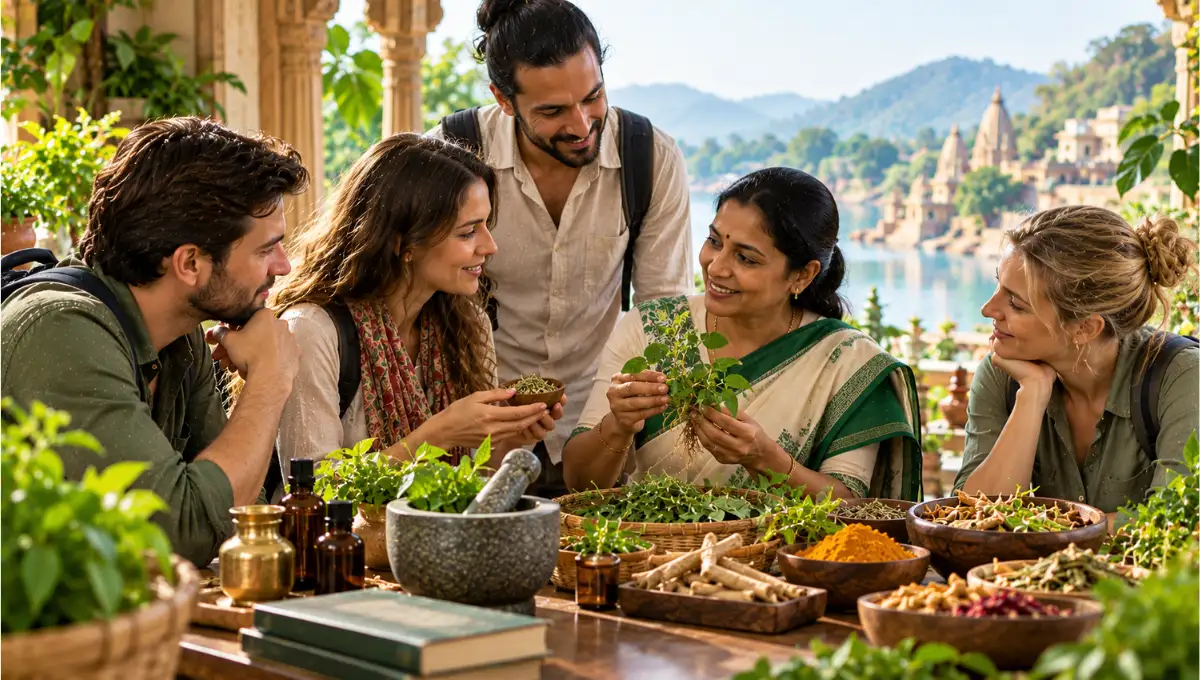
Kerala is known worldwide for Ayurvedic retreats and Panchakarma therapies, especially during the monsoon season, which is traditionally considered ideal for rejuvenation. Rishikesh in Uttarakhand, often called the yoga capital of the world, draws students and teachers from every continent. Himalayan retreats, meditation centres and heritage wellness resorts across the country attract travellers looking for rest and renewal.
Making Travel Easier
India has introduced an Ayush visa category for foreign nationals seeking treatment under traditional Indian systems of medicine. It signals that the country sees wellness travel as an important and growing part of its global relationship.
Growing Global Recognition
International institutions are paying closer attention to traditional medicine, and India sits at the centre of that conversation.
A WHO Centre in India
The WHO Global Traditional Medicine Centre in Jamnagar, Gujarat, works to build the evidence base, data and quality standards for traditional medicine worldwide. WHO notes that 170 of its 194 Member States report that their people use traditional and complementary medicine. Having this centre in India reflects both the country's long heritage and its growing role in shaping global standards.
Growing Scientific Interest
Universities and research institutes in India and abroad are studying traditional herbs, yoga and meditation with modern methods. Each well-designed study, whether it confirms a benefit or questions one, helps separate what works from what does not. This steady research effort is a big reason why Indian wellness is increasingly discussed in medical journals and not just lifestyle magazines.
A Dedicated Ministry
India is one of the few countries with a full ministry, the Ministry of Ayush, dedicated to traditional systems of medicine. It supports research, education, quality standards and international cooperation, helping Indian wellness practices gain recognition in other countries.
The Diaspora and Digital Influence
The large Indian diaspora has carried food habits, home remedies and cultural practices around the world. Social media has done the rest, with creators sharing Ayurvedic recipes, yoga routines and wellness rituals with millions of followers.
The Challenges That Come With Popularity
Rapid popularity brings real risks. Indian wellness will only keep global trust if these are handled honestly.
Quality and Safety Concerns
Some herbal products sold internationally have been found to contain contaminants such as heavy metals, or to be adulterated with the wrong plants. These cases damage trust in the entire category. Rigorous testing and transparent sourcing are essential.
Overblown Claims
When herbs are marketed as cures for serious diseases, it harms consumers and invites regulatory action. Responsible brands make modest claims supported by evidence and encourage people to consult healthcare professionals.
Loss of Context
Sometimes practices are stripped of meaning. Turmeric added to a sugary drink, or ashwagandha sold with no guidance on use, can miss the point of the original tradition. Global audiences increasingly appreciate brands that explain the roots of what they sell.
Different Rules in Different Markets
Regulations for herbal products vary widely. A product sold as an Ayurvedic medicine in India may be classed as a dietary supplement, a traditional herbal product or something else entirely in another country. Brands going global need to understand and respect each market's requirements.
Pressure on Resources
Higher global demand can put pressure on wild plants and slow-forming materials like shilajit. Sustainable sourcing and fair treatment of collectors and farmers must keep pace with growth.
What Global Buyers Expect From Indian Brands
International consumers are enthusiastic about Indian wellness, but they are also careful. Brands that want to earn their trust need to meet a clear set of expectations.
- Proof of purity: Batch-wise lab reports covering heavy metals, microbes and pesticide residues.
- Clear sourcing: Where ingredients come from, whether wild or cultivated, and how they were collected.
- Authentic preparation: Respect for traditional methods, such as proper purification of shilajit.
- Honest claims: Language that reflects what research and tradition actually support.
- Quality manufacturing: GMP-certified facilities and compliance with each export market's rules.
- Education: Guidance on how to use products well, and the tradition behind them.
- Responsibility: Sustainable sourcing and fair partnerships with the communities behind the herbs.
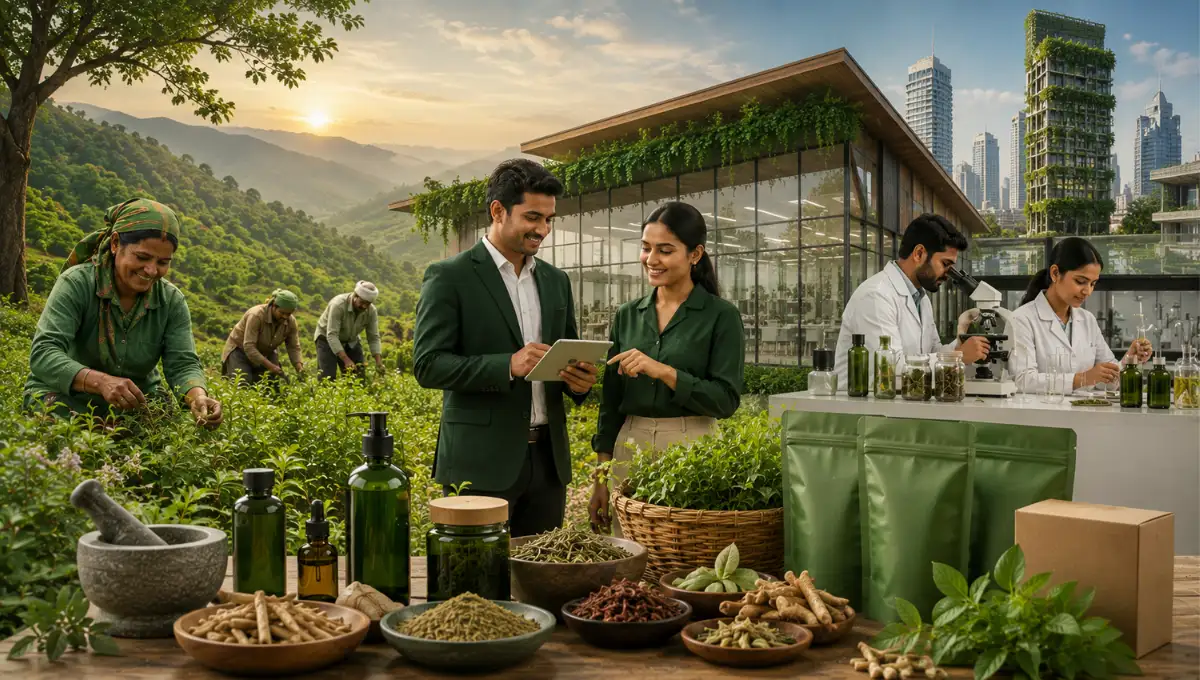
A new generation of Indian wellness brands is being built with these expectations in mind. ACTIZEET® is one of them, taking a classic Himalayan ingredient like shilajit and pairing it with careful purification and batch testing, the kind of combination that helps Indian heritage stand up confidently in front of informed global buyers.
Frequently Asked Questions
Global consumers are looking for preventive, holistic and natural approaches to health. Indian traditions such as yoga and Ayurveda offer complete, time-tested systems that connect body, mind, diet and daily routine, which fits closely with what modern wellness buyers want.
Yoga is the best-known Indian wellness practice worldwide. Among products, ashwagandha, turmeric, tulsi, triphala, moringa and shilajit are some of the most widely recognised, along with Ayurvedic oils, herbal teas and spice blends.
According to the Global Wellness Institute, the global wellness economy reached 6.8 trillion US dollars in 2024 and is projected to reach nearly 9.8 trillion dollars by 2029.
Recognition is growing. The WHO Global Traditional Medicine Centre is based in Jamnagar, India, and several countries have agreements with India on traditional medicine. However, the legal status of Ayurvedic products differs from country to country, so buyers should check local rules.
Look for batch-wise lab reports, clear ingredient and sourcing details, GMP-certified manufacturing, compliance with local regulations and modest, honest health claims. It is also wise to speak with a healthcare professional before starting any new supplement.
Final Word: Ancient Wisdom, Modern Responsibility
The world's interest in Indian wellness is not a passing trend. It reflects a deep shift in how people think about health: toward prevention, balance, nature and daily habits that support both body and mind. India has something rare to offer, including complete wellness systems, a vast plant heritage and a culture where health begins in the kitchen and the morning routine. Yoga opened the door, and Ayurveda, herbs, spices and wellness travel are following. With this attention comes responsibility. Global trust will belong to Indian brands that combine authentic tradition with modern quality standards, honest claims and fair, sustainable sourcing. If India gets that balance right, its wellness traditions will not just be popular abroad. They will be respected, and they will last.